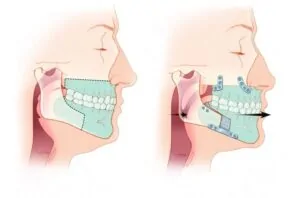
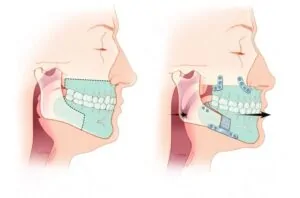
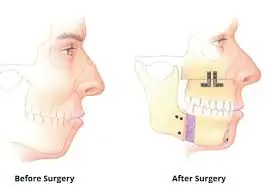
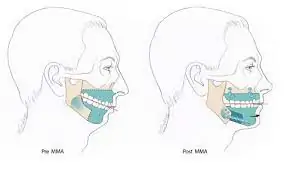
Bi-Jaw Surgery, also known as Double Jaw Surgery or BIMAX Jaw Surgery, is a type of orthognathic surgery that addresses jaw abnormalities involving both the upper (maxilla) and lower (mandible) jaws. This procedure aims to correct issues related to jaw alignment, shape, and function, and it can be performed for cosmetic or functional reasons. Bi-Jaw Surgery involves cutting both the upper and lower jaws and repositioning them as needed, either forward or backward, to achieve improved facial balance and function.
About Kayakriti and Your Surgeon
A short walk-through of our Lucknow clinic, plus a brief introduction from Dr. Amit Agarwal.
Bi-Jaw Surgery, also known as Double Jaw Surgery or BIMAX Jaw Surgery, is a type of orthognathic surgery that addresses jaw abnormalities involving both the upper (maxilla) and lower (mandible) jaws. This procedure aims to correct issues related to jaw alignment, shape, and function, and it can be performed for cosmetic or functional reasons. Bi-Jaw Surgery involves cutting both the upper and lower jaws and repositioning them as needed, either forward or backward, to achieve improved facial balance and function.
When Is Bi-Jaw Surgery Needed?
Bi-Jaw Surgery is recommended when cases involve complex jaw abnormalities that cannot be adequately corrected with single-jaw procedures like LeFort Osteotomy or Bilateral Sagittal Split Osteotomy (BSSO). Common situations where Bi-Jaw Surgery is needed include:
Severe malalignment of both the upper and lower jaws.
Correction of issues like deep bite, underbite, open bite, overlapping jaws, and asymmetrical jaws.
Misaligned teeth due to incorrect jaw size or position.
Severe temporomandibular joint ( TMJ ) disorders with impaired jaw function.
Moderate to severe obstructive sleep apnea.
Gummy smile caused by an underdeveloped mandible.
Severe maxillary (upper jaw) underdevelopment is often seen in congenital deformities like cleft lip and palate.
Cases requiring a comprehensive approach to correct both aesthetic and functional skeletal issues.
Bi-Jaw Surgery is often combined with chin surgery or genioplasty for improved facial aesthetics.
When to Consider Bi-Jaw Osteotomy Surgery?
It is essential to confirm that skeletal growth is complete in both boys and girls before performing orthognathic surgery, typically around 15 to 16 years in girls and 17 to 18 years in boys. Keep in mind that upper jaw (maxillary) growth usually ceases about two years before lower jaw (mandibular) growth is completed.
Pre-operative Planning for Bi-Jaw Surgery
Successful Bi-Jaw Surgery relies on thorough preoperative planning, which includes several investigations such as:
3D CT scan of the face.
Frontal and lateral photos of the face.
Cephalometric X-ray of the face for soft tissue and bony measurements.
Dental impressions to aid in diagnosis.
Cephalometric X-rays are particularly crucial as they reveal abnormal growth patterns of the upper and lower jaws concerning the cranial base. Following these investigations, a detailed analysis of skeletal, dental, and soft tissue findings is conducted. Dental models are created, and mock surgery is performed to fabricate acrylic occlusal splints used intraoperatively for precise repositioning of the maxilla.
Presurgical Orthodontic Treatment
In many cases, patients may require pre-surgical orthodontic treatment lasting approximately 7 to 10 months. This treatment may continue after the surgery, depending on the individual case’s requirements.
Contraindications for Bi-Jaw Surgery
Several factors and conditions may contraindicate Bi-Jaw Surgery, including:
Major medical comorbidities.
Cardiac diseases.
Presence of active dental infections.
Patients in the active growth phase.
Psychiatric diseases or uncontrolled seizure disorders.
Significant disparities between patient and surgeon goals and expectations.
Smoking or substance abuse habits.
Questionable blood supply to the maxilla and mandible, as seen in patients who have undergone multiple surgeries (e.g., cleft palate) or have a history of radiation therapy.
Surgical Procedure of Bi-Jaw Surgery
The surgical procedure of Bi-Jaw Surgery typically involves the following steps:
Anesthesia: The procedure is performed under general anesthesia with nasal endotracheal intubation. Local anesthesia with lidocaine and epinephrine may also be used to minimize blood loss.
Intraoral Incision: Incisions are made inside the mouth to avoid visible facial scars. One jaw is repositioned at a time during the surgery.
Jaw Repositioning: Depending on the patient’s needs, one or both jaws are repositioned, either brought forward or backward. Bone grafts may be used to enlarge the jaw or parts of the bone may be removed for reduction.
Fixation: Titanium screws and plates are used to securely hold the repositioned jaws in place. Elastic bands and wires may also be used for stabilization.
Sequence: The surgeon decides whether to work on the upper jaw (maxilla) or lower jaw (mandible) first. The sequence can vary among surgeons, but it’s commonly preferred to perform BSSO first and then LeFort osteotomy for upper jaw correction.
Bilateral Sagittal Split Osteotomy (BSSO) : For BSSO, the surgeon makes cuts behind the last molar teeth diagonally and lengthwise down the jawbone, allowing the front of the jaw to move as one unit.
LeFort Osteotomy : For LeFort Osteotomy, the upper jaw is cut above the level of the tooth roots, separated from the skull and facial bones, and carefully positioned. Care is taken to avoid damage to teeth during the separation.
Fixation of Maxilla: The surgically moved maxilla is fixed to the native facial bones using plates and screws.
Closure: Incisions inside the mouth are closed in layers using absorbable sutures.
Stabilization: The jaws are not wired shut for extended periods; instead, bone segments are fixed rigidly.
Recovery Period in Bi-Jaw Osteotomy
The recovery period for Bi-Jaw Surgery typically includes:
Overnight monitoring in the post-operative recovery room.
Common postoperative side effects include facial swelling and bruising, which usually subside within a week. Ice packs may be used to minimize swelling.
The patient is typically discharged from the hospital after 3 to 4 days and instructed to follow up after a week.
Early postoperative occlusal changes may occur due to edema and muscle adaptation.
A strict postoperative regimen is advised, along with thorough oral hygiene practices, including the use of a soft toothbrush and antibacterial mouth rinse.
Facilitating Faster Recovery After Bi-Jaw Surgery
To promote faster recovery after Bi-Jaw Surgery, the following measures are often recommended:
Soft diet for 4 to 6 weeks, starting with liquids for about a week.
One-week antibiotic treatment.
Placement of soft elastics between the upper and lower jaws to maintain the upper jaw’s new position.
Patients are instructed to avoid forceful nose blowing for three weeks.
Role of Orthodontist in Bi-Jaw Surgery
Orthodontists play a critical role in Bi-Jaw Surgery, both before and after the procedure. Pre-surgical orthodontic treatment may be necessary for several months, and post-surgical orthodontics aims to ensure that the teeth settle into their final occlusion. The duration of postoperative orthodontic treatment varies based on individual cases, surgical plans, and desired occlusal outcomes.
Risks and Complications of Bi-Jaw Surgery
While Bi-Jaw Surgery is generally considered safe and reliable, there are potential complications, which may include:
Bleeding.
Infective complications such as abscess formation.
Anterior open bite in the early or late postoperative period.
Dental and periodontal injuries.
Oro nasal fistula.
Partial or total nerve injury to the infraorbital nerve, leading to sensory loss in the upper lip , cheeks, and nose.
Alterations in facial appearance, including changes in nasal tip position and widening of alar bases.
Increased nasal airway resistance due to the constriction of the internal nasal valve with maxillary superior repositioning.
Pain and congestion, with rare infections leading to maxillary sinusitis.
Non-union of bony segments.
Unfavorable fractures of the upper or lower jaw.
Partial or total nerve injury to the inferior alveolar nerve, resulting in sensory loss in the lower lip and teeth.
Temporomandibular joint (TMJ) dysfunction or condylar malposition.
Malocclusion: If malocclusion results from improper placement of the maxilla, hardware failure, or condylar malposition, revision surgery may be necessary.
Retraction of the gingiva.
Rare complications, such as maxillary necrosis, unilateral blindness, and oculomotor nerve palsy, may occur.
Patients considering Bi-Jaw Surgery should undergo a thorough evaluation by Dr. Amit to discuss potential risks and benefits specific to their individual circumstances.
See the difference
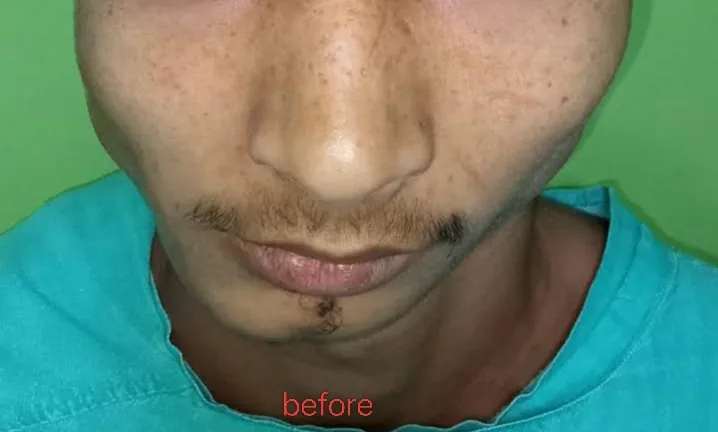
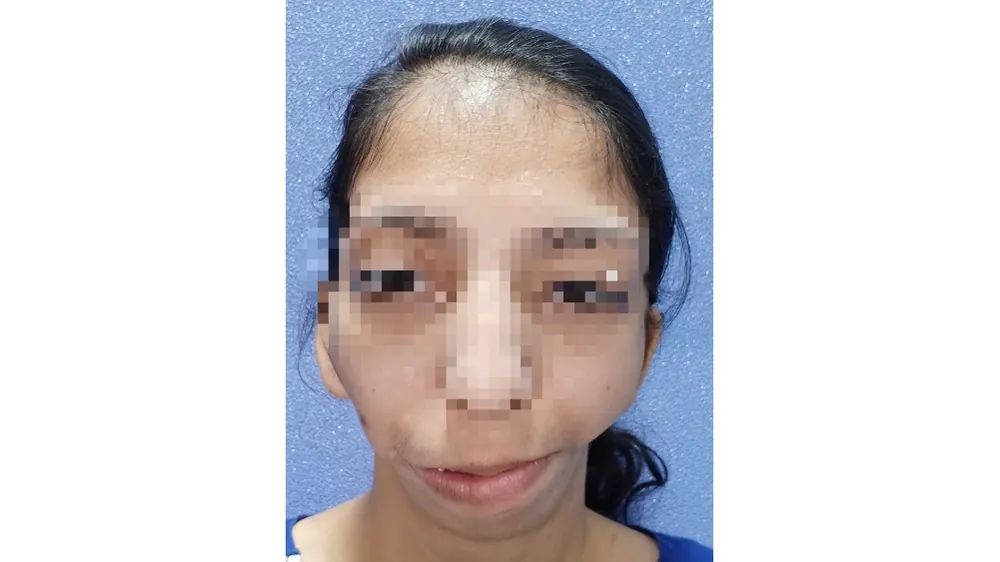
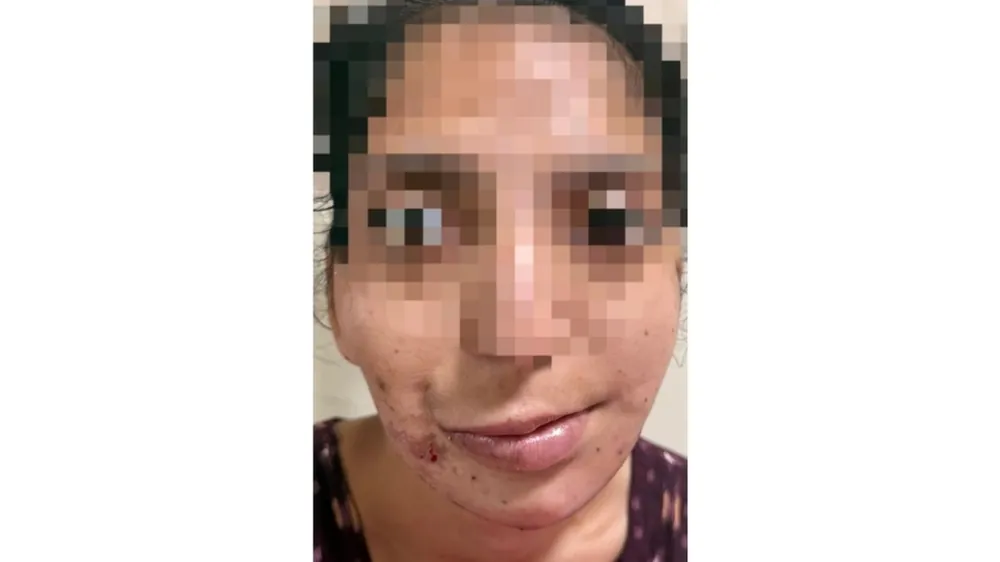
Before & After — Bi-Jaw Surgery (Double Jaw Surgery)
Drag the handle to compare. All photos are real patients shared with consent.
Before
After
Before
After
Images shown are intended to provide general treatment insight only.
Every patient is unique, and outcomes may vary depending on individual
condition and treatment plan.
Common questions
Frequently asked questions
What is Bi-Jaw Surgery, or Double Jaw Surgery, and what types of upper and lower jaw deformities does it aim to correct?
Bi-Jaw Surgery, or Double Jaw Surgery, is a surgical procedure that involves repositioning and realigning both the upper and lower jaws to correct deformities. Common deformities include malocclusion, skeletal discrepancies, and facial asymmetry.
What are the key signs and symptoms of upper and lower jaw deformities, and how do they impact an individual's oral health and facial aesthetics?
Upper and lower jaw deformities can result in issues like difficulty in chewing, speaking, or breathing, as well as aesthetic concerns such as an uneven bite or facial imbalance.
How is the need for Bi-Jaw Surgery determined, and what diagnostic methods are used to assess the extent and severity of jaw deformities?
The need for Bi-Jaw Surgery is determined through a comprehensive evaluation by an oral and maxillofacial surgeon, including clinical examination, imaging studies like CT scans or X-rays, and dental models.
What is the goal of Bi-Jaw Surgery (Double Jaw Surgery), and how does the procedure work to correct upper and lower jaw deformities?
The goal of Bi-Jaw Surgery is to reposition both the upper and lower jaws to align the teeth and facial structures, improving oral function and facial aesthetics. The procedure involves carefully cutting and repositioning the jawbones.
How does Kayakriti Clinic specialize in performing Bi-Jaw Surgery (Double Jaw Surgery), and what sets their approach apart in providing comprehensive care for patients with upper and lower jaw deformities?
Kayakriti Clinic specializes in Bi-Jaw Surgery with a focus on precise surgical techniques, personalized treatment plans, and rehabilitation. Their approach includes a team of experts experienced in maxillofacial surgery.
What are the advantages of choosing Kayakriti Clinic for Bi-Jaw Surgery (Double Jaw Surgery), and how do they ensure comprehensive care for patients undergoing this procedure?
Kayakriti Clinic offers a patient-centric approach to Bi-Jaw Surgery, providing pre-operative assessment, surgical precision, and post-operative care to optimize outcomes and facial aesthetics.
Real stories
What our patients say about Kayakriti
★★★★★
"Kayakriti Plastic Surgery & Dental Clinic is one of the best clinics — excellent doctors and a very professional team. The clinic is clean, well-maintained, and uses advanced technology. Doctors explain everything clearly and make you feel comfortable throughout the treatment. Highly recommended for both plastic surgery and dental care."
★★★★★
"My big brother had a critical accident in August 2025 — his right foot was injured badly. Thanks to Dr Amit, the plastic surgery was a great success and now he is walking on his feet. Dr Amit is polite, humble, and guided us like family."
★★★★★
"Dr Amit Agarwal is really a very good plastic surgeon — he operated on my leg. The treatment is really very good and the staff behaviour is very nice."
★★★★★
"Dr Amit Agarwal performed surgery for diabetic foot on my father. We were very troubled before going to him; after his treatment the condition is much better. He debrided all the infection and did grafting on the same."
★★★★★
"Dr Amit Agarwal operated on my patient for a congenital defect. A renowned plastic surgeon of Uttar Pradesh with excellent post-operative results. He explains every step of the treatment very nicely and is very determined towards his work."
★★★★★
"Dr Amit is very approachable, so it is easy to talk to him and ask all our queries. Before operating he explains the entire process with all the pros and cons. His staff is well-trained and well-behaved — I had a wonderful experience."
★★★★★
"Dr Amit Agarwal operated on my sister who got burnt two years back, leaving burn scars in her neck area. With the help of tissue expanders he has cured her scars to the utmost. Thank you sir for the treatment."
★★★★★
"Dr Amit Agarwal operated on my child for a congenital defect and has delivered brilliant results. We are completely satisfied with his treatment and recommend him to everyone."
★★★★★
"I consulted Dr Amit Agarwal for my son's gynaecomastia operation. His results have been very good — now my son is much more confident and comfortable with his looks after the operation."
★★★★★
"Dr Amit operated on my patient for a lip augmentation surgery to give her lips a proper cosmetic shape. The post-operative results are very good — she is very satisfied."
★★★★★
"Dr Amit Agarwal operated on my son for gynaecomastia. Due to the puffiness in his chest he felt very embarrassed in public. Thanks to Dr Amit's treatment my son feels much better aesthetically and has gained a lot of confidence about his looks."
★★★★★
"We consulted Dr Amit for cosmetic correction of my daughter's facial profile. He brought her upper jaw forward, surgically improving her appearance. It was a tough operation but the results are phenomenal — we are really satisfied with the look now."
★★★★★
"My son had his fingers joined since birth, causing a lot of functional problems. Dr Amit Agarwal performed syndactyly release on him. Now he is much better and there were no issues regarding post-operative complications."
★★★★★
"I got my rhinoplasty done under Dr Amit. The shape of my nose wasn't nice and my facial profile was getting hampered. Dr Amit elevated my nose to give it proper shape — now it is looking fine and I am very satisfied."
★★★★★
"Dr Amit Agarwal operated on my patient for deformed lips. He gave my patient a very aesthetic appearance and we are highly satisfied by the surgery. The cosmetic correction was successful with no complications."
★★★★★
"Dr Amit Sir is really a very good plastic surgeon — great nature, very cooperative staff, excellent scope for cosmetic treatment. Very happy and satisfied with the treatment. It really changed my life and enhanced my confidence."
★★★★★
"Dr Amit Agarwal performed cosmetic surgery on my nephew, who was facing a lot of issues with confidence due to gynaecomastia. After Dr Amit's treatment he is much better and has a boosted confidence level."
★★★★★
"I met a road accident two months back and my ring finger fractured. My orthopaedic doctor recommended Dr Amit for the joint fracture management. After he operated, my condition is much better."
★★★★★
"Dr Amit Agarwal operated on my patient for vascular malformation. He removed the complete swelling through an operation which went well and the results are good. The staff kept us well informed at every step and the whole process went smoothly."
★★★★★
"My patient wasn't satisfied with the aesthetic appearance of her lips. Dr Amit performed a lip augmentation surgery — it made her lips look more full and richer. She is very satisfied with the results."
★★★★★
"We were very troubled after my son met a road accident in which his jaw got fractured. Dr Amit confirmed the diagnosis quickly and proceeded for the surgery — through plating he joined the bones of the jaw and stabilised it. The condition now is much better."
★★★★★
"My brother is diabetic and hurt his leg; the wound was not healing for a long time. Dr Amit debrided all the infected part and covered it with a flap. The wound is now healed — we are lucky we got the correct treatment on time."