
Understanding Nipple Deformities
Nipple deformities refer to abnormalities or irregularities involving the nipples. While nipples vary in shape and size among individuals, some variations can affect an individual’s self-confidence or cause functional issues . Common nipple deformities include:
- Accessory Nipples: Extra nipples, known as supernumerary nipples, are found in approximately 1-5% of the population. They are t ypically harmless and may not require removal unless they affect an individual’s aesthetic preferences. Surgical removal is a straightforward outpatient procedure performed under local anesthesia.
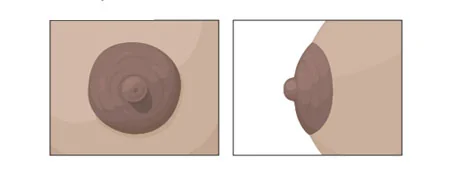
- Flat Nipples: Flat nipples are not raised or inverted; they lie at the same level as the areola. Some flat nipples may remain flat, while others become erect with cold temperatures, stimulation, or sexual arousal. Flat nipples can sometimes pose difficulties during breastfeeding , but treatment is not typically required.
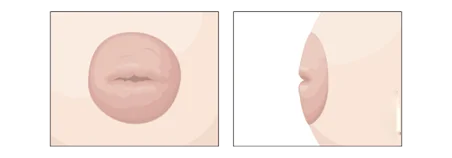
- Inverted Nipples: Inverted nipples are often present since birth and appear to be dented or pulled inward below the skin’s surface. They result from shortened milk ducts that pull the nipple tissue inward. While nipple protrusion can occur with stimulation, some inverted nipples remain inverted. Inverted nipples can make breastfeeding challenging. Surgical correction of inverted nipples is usually performed as a daycare procedure under local anesthesia .
- Retracted Nipples: Retracted nipples initially protrude but start to pull inward, change position, or fold into a narrow crease. This condition can be caused by factors such as aging, clogged and swollen milk ducts (duct ectasia), or breast cancer . Consultation with a healthcare professional is necessary if nipples suddenly appear retracted or inverted, especially if other symptoms like lumps, pain, or skin changes are present . Depending on the underlying cause, treatment options may include surgical correction.
- Hairy Nipples: It’s normal to have some hair growth around the nipples as hair follicles surround this area. Plucking or tweezing hair around the nipples can lead to ingrown hairs and infected follicles. Excessive hair growth around the nipples, known as hirsutism, can be associated with conditions like polycystic ovary syndrome (PCOS), Cushing’s syndrome, overproduction of male hormones, or certain medications. Shaving is not recommended as it can increase the risk of ingrown hairs. Trimming or cutting the hair is a safer option.