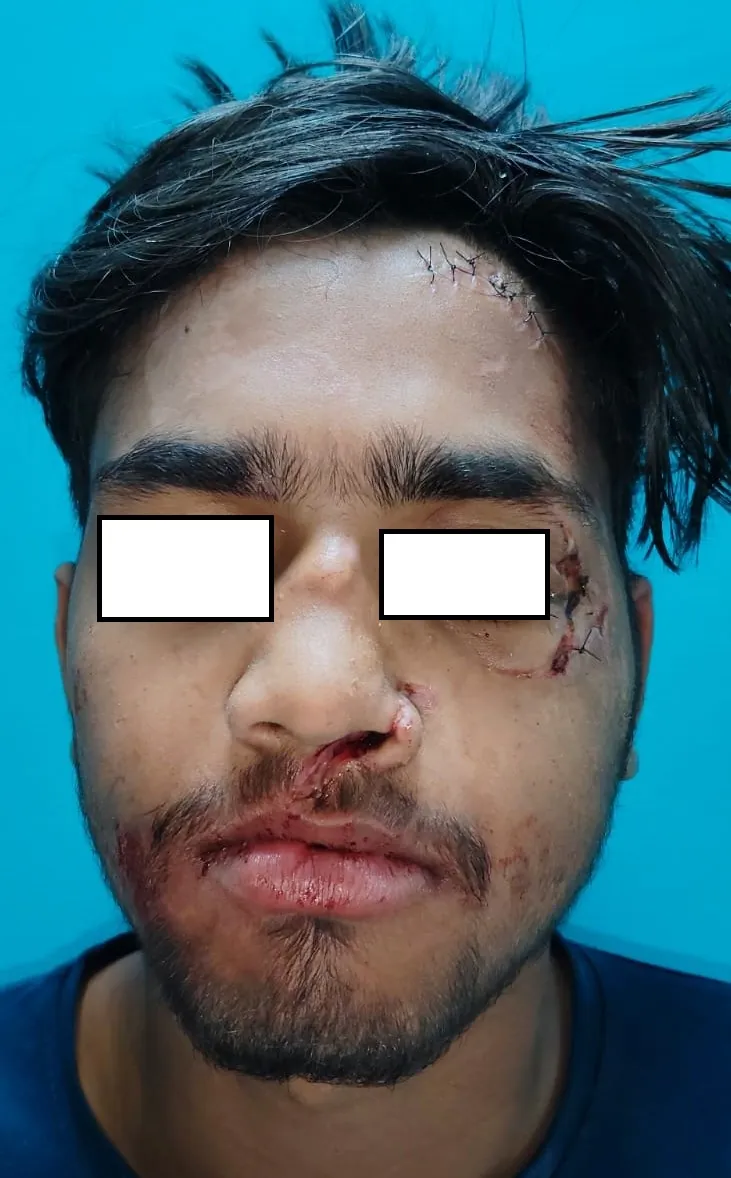
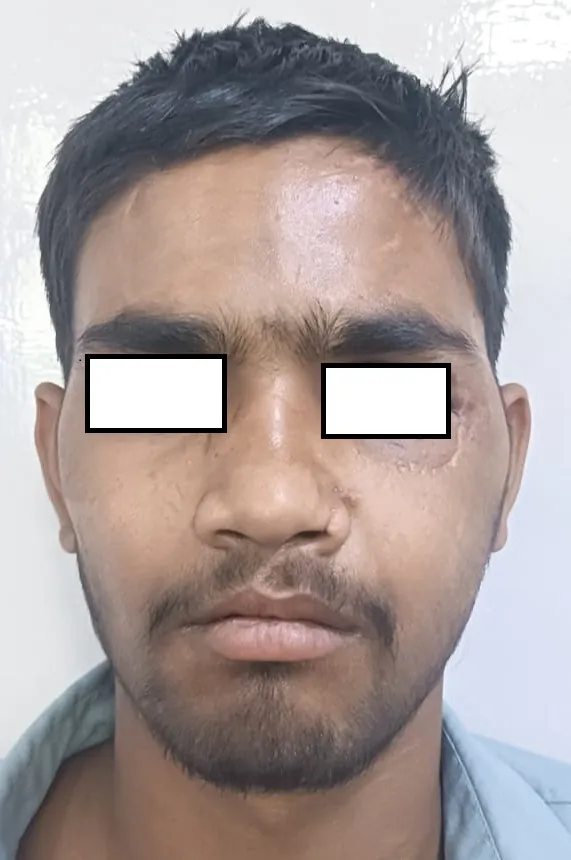
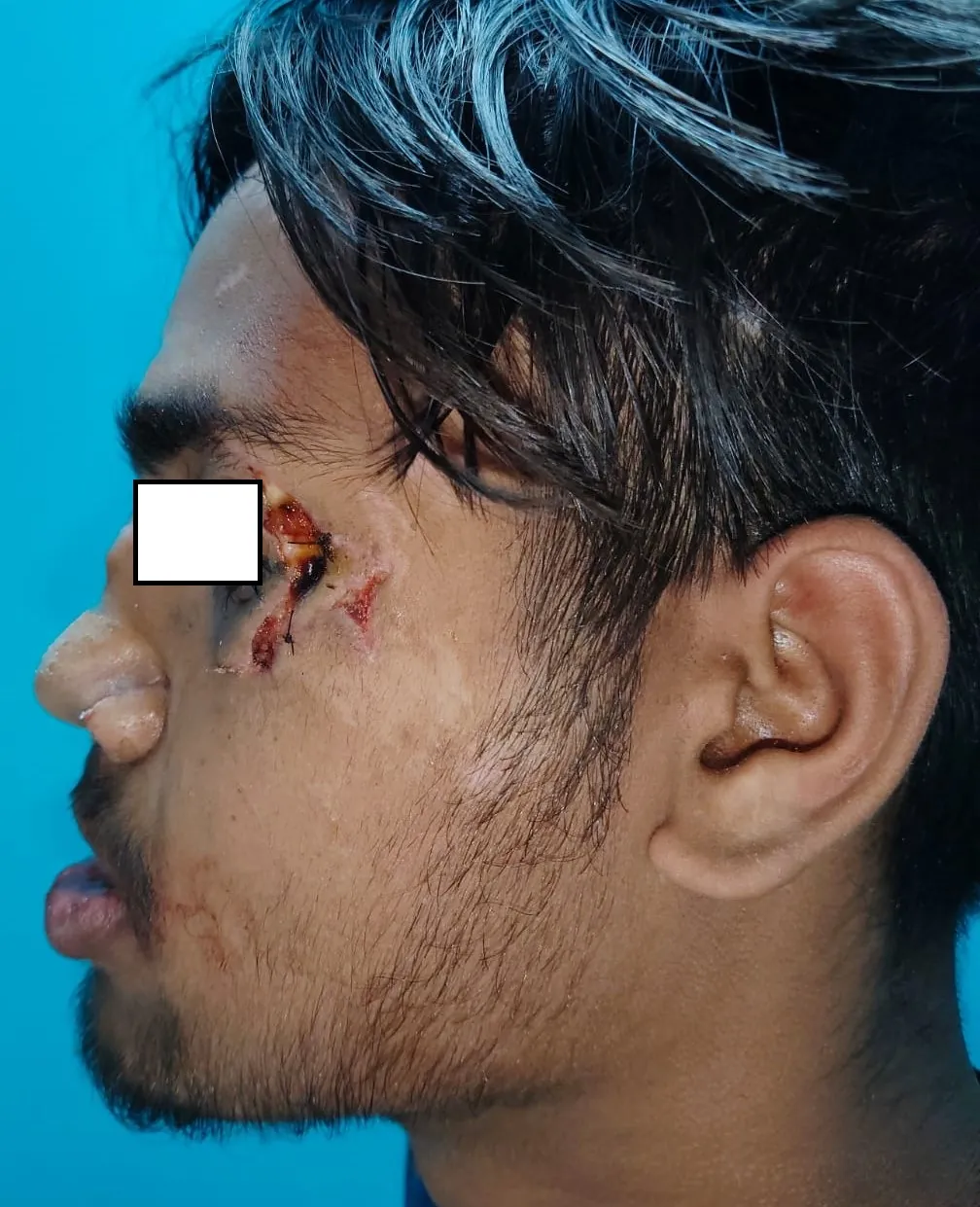
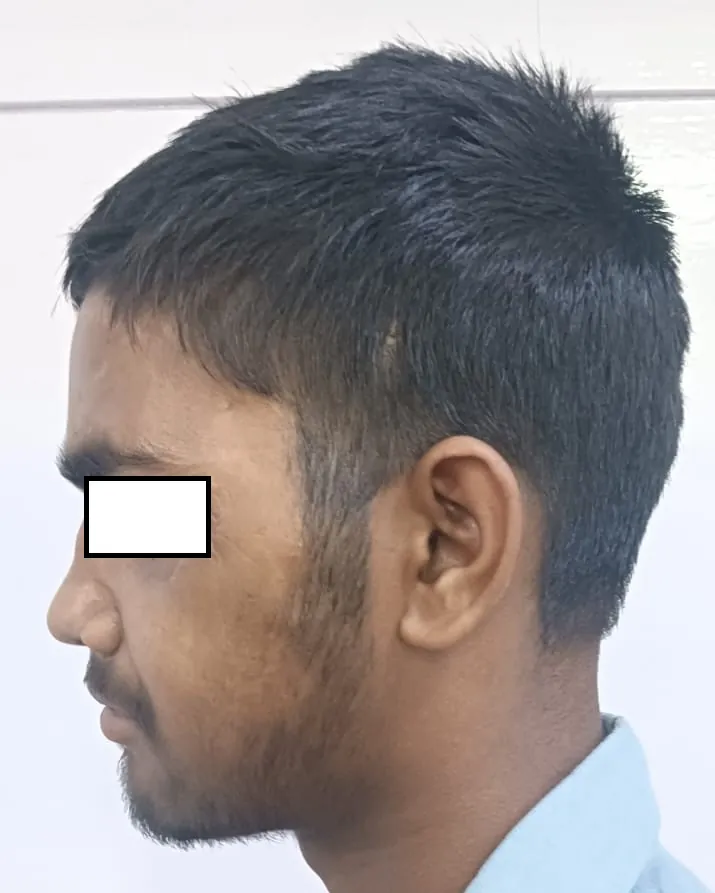
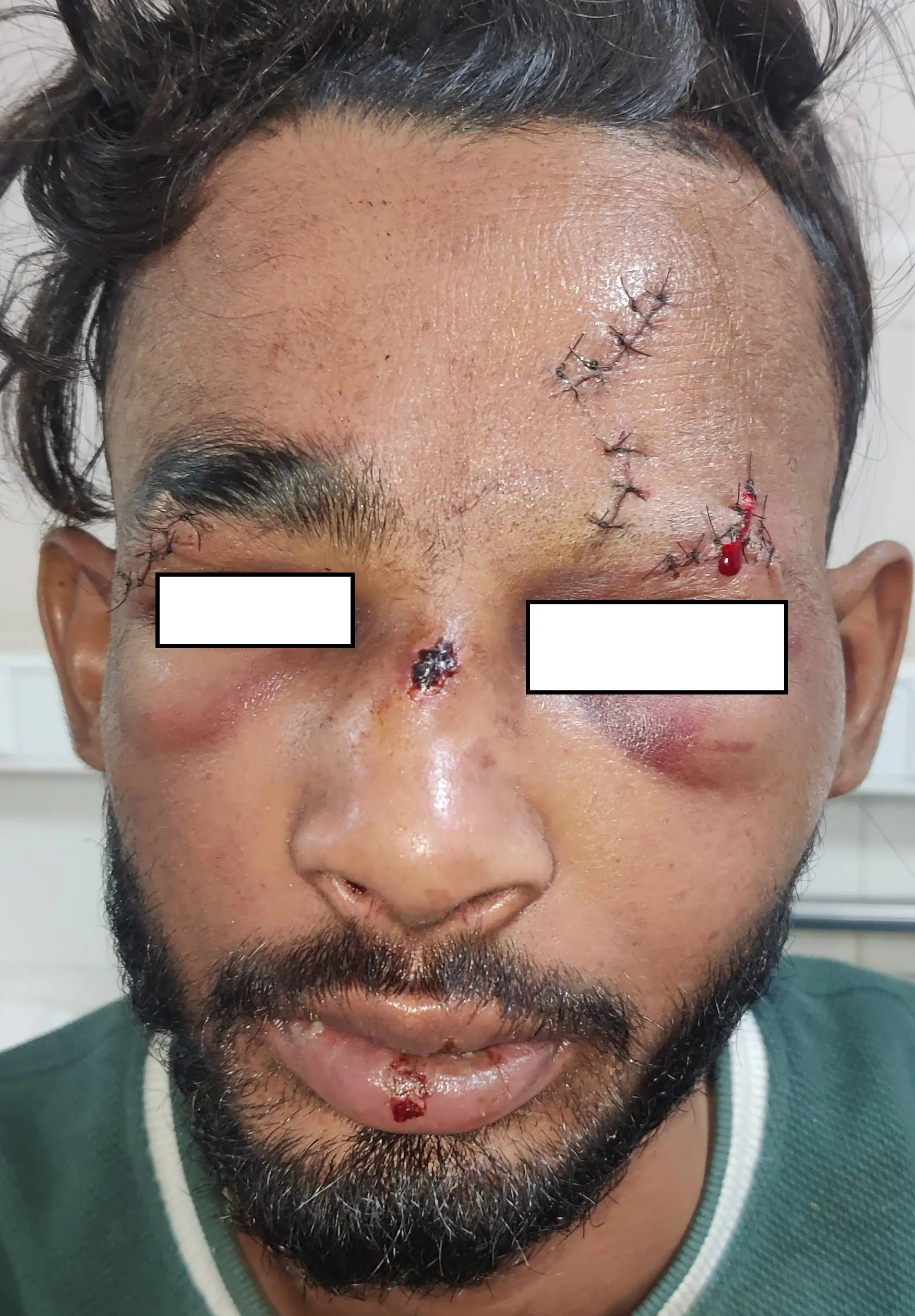
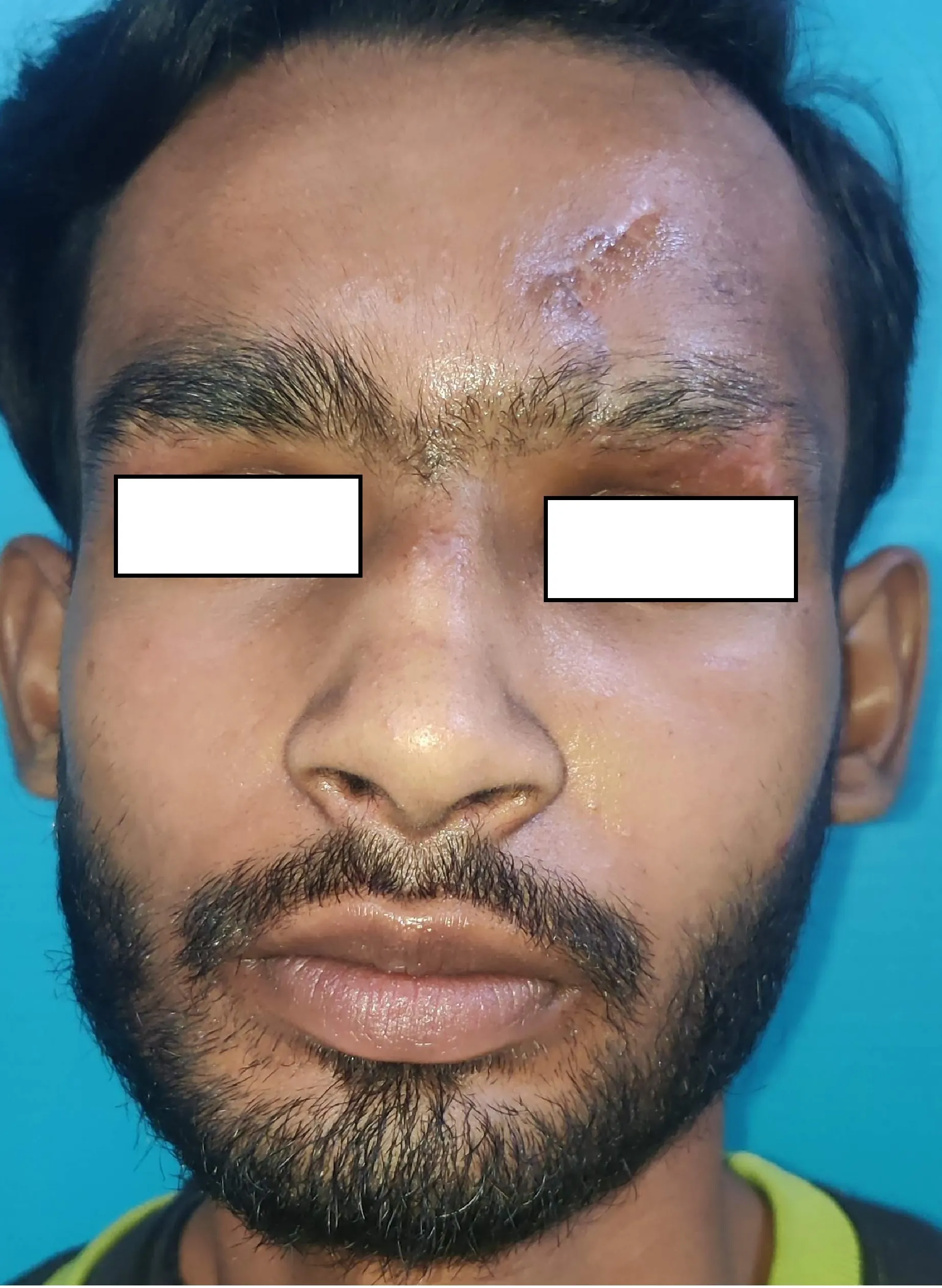
Fractures involving the facial bones can result in functional impairment and a distorted appearance, affecting essential activities like eating, speaking, and swallowing. Managing facial fractures due to trauma depends on factors such as the location, number of bones involved, accompanying soft tissue injuries, and the patient’s age. Soft tissue injuries in the facial region also require tailored management.
Facial Fractures — explained on video
Procedure explainers, surgeon Q&A, and patient stories — straight from Dr. Amit Agarwal.
This video is for educational purposes only.
Treatments are individualised according to each patient's condition and
needs. Similar results cannot be guaranteed for every individual.
Introduction
Fractures involving the facial bones can result in functional impairment and a distorted appearance, affecting essential activities like eating, speaking, and swallowing. Managing facial fractures due to trauma depends on factors such as the location, number of bones involved, accompanying soft tissue injuries, and the patient’s age. Soft tissue injuries in the facial region also require tailored management.
Lower Jaw (Mandible)
Fracture mandible is a fracture in the lower jawbone. Few particular sites in the lower jawbone are more prone to fracture.
After a fracture, the patient is unable to fully open the mouth, or the mouth opening is painful. Often alignment of teeth is disturbed and there may be tooth loss also.
These fractures are most common in young males and the main reason is road accidents and trauma during fights.
OPG and Plain X-rays are used for diagnosis, but 3D CT scans are more commonly done these days to find the exact location of the fracture, and the amount of displacement of a broken bone and to rule out associated multiple fractures.
How is the fracture of the lower jaw treated?
Surgical management is the key to the treatment of fractures of the lower jaw. The reduction of fractured bone fragments is the first step in managing the fracture of the lower jaw. It means approximating the broken bone edges as close together as possible.
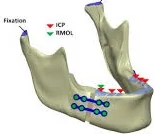
The “Open Reduction and Internal Fixation” technique or ORIF is the usually preferred technique in today’s time as accurate reduction is possible with this method, where an incision is made, the fracture is found and is physically manipulated into place.
This definitive reduction treatment is most of the time stabilized surgically by plates and screws fixation of the broken bones under vision so that fractured ends meet accurately.
Recovery after surgery –
There is no need for the IMF to immobilize the jaws after the surgery with this technique.
The patient is usually discharged from the hospital on the second day after the surgery and is kept on a soft diet for 2 to 3 weeks.
Usually, the broken bone gains 80% of its normal strength by 3 weeks and 90% by 4 weeks.
Upper Jaw (Maxilla)
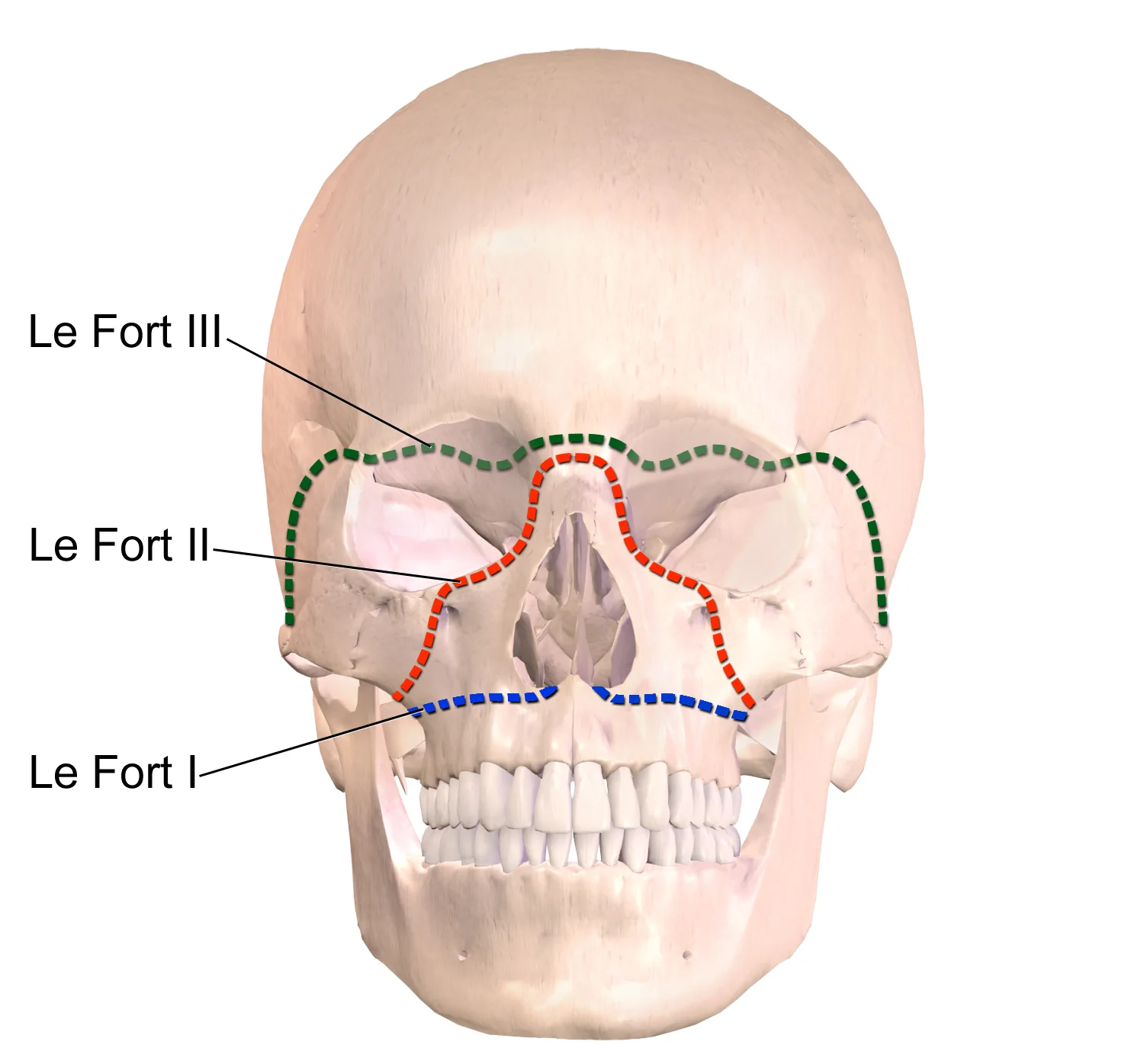
The maxilla is the bone of the upper jaw that stays fixed, unlike the mobile lower jaw. It also contributes to the bony skeleton of the eyes, nose, and cheeks. Fractures of this bone are known as midface fractures and are classified into three types as per Le Fort classification.
Le Fort I: This is the fracture in the upper jaw above and along the upper lip , separating the teeth from the maxillary bone, including the lower portion of the nose.
Le Fort II: It is a pyramid-shaped fracture that involves the teeth at the base and the nasal bridge at its highest point, along with the eye sockets, and extending up to nasal bones.
Le Fort III: This fracture occurs across the nasal bridge, through the eye sockets, and outward to the sides of the face. This is the most complicated kind of upper jaw fracture and is caused by to severe blow to the face.
In fractures of the upper jaw, the patient is unable to fully open the mouth, or the mouth opening is painful. Often alignment of teeth is disturbed and there may be tooth loss also. The face appears elongated concave or dish-shaped.
A 3D CT scan of the face usually confirms the diagnosis, helps in the classification of the fracture patterns, and aids in planning the surgery.
How are Lefort fractures treated?
A. Non-surgical approach for treatment is considered for minimal, non-displaced fractures, or in medically ill patients. This would include regular analgesia, a soft diet, and taking care to avoid any trauma. Rest all the cases need surgical intervention.
B. Surgery for Lefort fractures is necessary to maintain facial features and contour. And, like lower jaw, upper jaw fractures also need reduction and immobilization to heal. It means approximating the broken bone edges as close together as possible.
The “Open Reduction and Internal Fixation” technique or ORIF- is the usually preferred technique as accurate reduction is possible with this method, where an incision is made, the fracture is found and is physically manipulated into place. This definitive reduction treatment is most of the time stabilized surgically by plates and screws fixation of the broken bones under vision so that fractured ends meet accurately.
Recovery after surgery –
There is no need to immobilize the jaws in IMF after the surgery with this technique.
The patient is usually discharged from the hospital on the third day after the surgery and is kept on a soft diet for 2 to 3 weeks.
Cheek Bone (Zygoma)
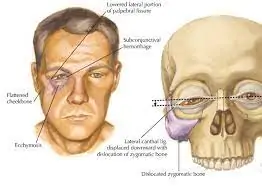
Zygoma is also known as the malar/cheekbone. Fractures of the Zygoma bone lead to cosmetic deformities mostly.
Patients with cheekbone fractures can also have difficulty opening their mouths. These fractures are usually accompanied by fractures in the upper jaw (maxilla) and eye socket bone .
A 3D CT scan of the face usually confirms the diagnosis.
How are fractures of Zygoma bone treated?
A. Non-surgical approach for the treatment of cheekbone fractures is considered for minimal, non-displaced fractures, or in medically ill patients. This would include regular analgesia, a soft diet, and taking care to avoid any trauma. Rest all the cases need surgical intervention.
B. Reduction manipulation of the zygoma bone is done by an open surgical approach only. Incisions are made in such areas that scars are not visible to the human eye (within the hairline, inside the mouth, or below the eyelashes). Fractures are found and physically manipulated into the correct place. The definitive treatment is most of the time done surgically by plates and screws fixation of the broken bones under vision so that fractured ends meet accurately. This is referred to as the “open reduction and internal fixation” technique or ORIF.
The patient is usually discharged from the hospital on the third day after the surgery and is kept on a soft diet for 2 to 3 weeks.
Nasal Fractures
Fractures of the nose usually bleed profusely at the time of blow. So, the first step in management is to give external compression to control bleeding. It usually takes a few minutes to stop bleeding after which nasal packing is done.
Diagnosis is made clinically by feeling the crackling sound or the visible deviation of the nose bridge. X-ray usually confirms the diagnosis.
How is a nasal fracture treated?
Treatment of the nasal bone fracture would depend on the time of presentation after the fracture.
If the patient arrives early after the nose fracture , reduction of the bone and immobilization with a plaster slab over the nose is given.
The reduction of the fracture is still possible conveniently till one week after the accident after which reduction becomes a little difficult as the fracture starts to unite in the wrong position after a week.
This reduction becomes surgically difficult if three weeks have elapsed after the accident and bones have united in the wrong position. So, in fractures of nasal bone that are more than 3 weeks old and the deformity is severe, refracture of nasal bones and correction of alignment is done.
Forehead (Frontal Bone)
The frontal bone is the main bone in the forehead area. A high-impact injury to the head can cause a fracture of the frontal bone and floor of the sinuses.
The fracture is most likely to occur in the middle of the forehead. That’s where the bone is the thinnest and weakest.
An injury may cause the bone to be indented (pushed inward). Substantial force is required to fracture the frontal bone, so often other injuries to the face and skull or neurological trauma may be present.
Associated problems may include leakage of the cerebrospinal fluid, eye injuries, and damage to the sinus ducts. A 3D CT scan of the face and head usually confirms the diagnosis.
Treatment of frontal bone fracture –
Simple undisplaced fractures are best left alone and no surgery is required.
Displaced fractures with depressed forehead need surgery in the form of open reduction and plate fixation.
Orbit (Eye Socket)
Orbital fractures are the fractures of the bones of the eye socket around the eyeball. They are classified in two different ways:
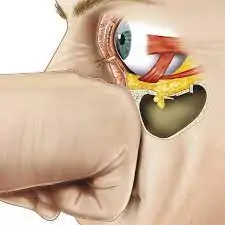
Orbital rim fracture – It includes fracture of the outer margin of the bony socket. The outer rim of the eyeball is a strong structure and is broken by a strong force or blow.
Orbital floor fractures – In this case, the orbital rim is not damaged, instead, there is a break in the floor of the eye socket that leads to the entanglement of eyeball structures into the fracture line or herniation of contents of the orbit into the maxillary sinus. It can cause symptoms like
a) enophthalmos (sunken eye appearance),
b) inability to move the eyeball upwards (due to muscle entrapment),
c) double vision,
d) severe pain and swelling etc.
A 3D CT scan of the face usually confirms the diagnosis of the orbit. Orbital fractures can be accompanied by fractures of the cheekbone, nose, or upper jaw or can be a part of NOE complex fractures.
How are eye socket fractures treated?
The conservative approach is if a fracture is nondisplaced or if not causing any symptoms.
In cases of displaced orbital rim fracture or orbital floor fracture, urgent surgical intervention is needed.
Orbital rim fractures are fixed by open reduction with lower blepharoplasty incision and fixation is done with low profile 1.5 mm plates and screws.
Orbital floor fractures with double vision, sunken eye appearance, and muscle entrapment, surgery is done. Surgical release of the soft structures of the eye is done with a lower blepharoplasty incision, close to the lower eyelashes so that the scar is imperceptible to the human eye after the surgery. After the release of the orbital septum and entrapped structures carefully, the orbital floor is supported with the metal mesh.
Panfacial Fractures and NOE Fractures
Pan-Facial Fractures: These occur when multiple facial bones fracture simultaneously, posing complex challenges. Effective management requires a well-defined treatment plan to optimize both function and aesthetics.
NOE (Naso-Orbito-Ethmoid) Fractures: NOE fractures involve the nasal, orbital, and ethmoid bones, typically centered around the nasal root. Early treatment is crucial to prevent complications in these complex fractures.
Causes of Facial Fractures
Facial fractures can result from various causes, including:
Road Accidents: High-impact collisions on the road often lead to facial trauma.
Sports Injuries: Contact sports, accidents, or falls can cause facial fractures.
Violence: Physical altercations or assaults may result in facial injuries.
Facial fractures have significant implications for both function and appearance. Early diagnosis, accurate classification, and appropriate treatment are essential for optimal outcomes. Healthcare providers like Dr. Amit with a comprehensive understanding of facial fractures can better serve patients and ensure the best possible recovery.
See the difference
Before & After — Facial Fractures
Drag the handle to compare. All photos are real patients shared with consent.
Before
After
Before
After
Before
After
Before
After
Before
After
Before
After
Images shown are intended to provide general treatment insight only.
Every patient is unique, and outcomes may vary depending on individual
condition and treatment plan.
Common questions
Frequently asked questions
What are Facial Fractures, and what are the common causes of fractures in the facial bones?
Facial Fractures involve broken bones in the face, including the nose, cheekbones, and jaw. Common causes include accidents, falls, sports injuries, and motor vehicle accidents.
What are the different types of Facial Fractures, and how are they typically categorized based on the location and severity of the fracture?
Facial Fractures can vary in type and severity, ranging from minor nasal fractures to more complex fractures involving multiple facial bones.
How are Facial Fractures typically diagnosed, and what diagnostic methods are used to assess the extent and type of fracture in the face?
Diagnosis of Facial Fractures involves a clinical examination, imaging studies like X-rays or CT scans to evaluate bone fractures, and sometimes specialized tests to assess injury to the surrounding structures.
What are the available treatment options for Facial Fractures, and how do they differ based on the type and location of the fracture in the face?
Treatment options may include reduction (realignment) of the fractured bones, immobilization with splints or casts, or surgical intervention to stabilize and repair the fractures.
How does Kayakriti Clinic specialize in managing Facial Fractures, and what sets their approach apart in providing comprehensive care for facial fractures?
Kayakriti Clinic specializes in Facial Fracture management with a focus on restoring facial aesthetics and function. Their approach includes precise reduction of fractures and reconstructive surgery, along with a team of experts to ensure optimal outcomes.
What are the advantages of choosing Kayakriti Clinic for treatment of Facial Fractures, and how do they ensure comprehensive care for patients with facial fractures?
Kayakriti Clinic offers a patient-centric approach to Facial Fracture treatment, providing personalized care plans, cosmetic restoration, and rehabilitation to optimize recovery and facial appearance.
Real stories
What our patients say about Kayakriti
★★★★★
"Kayakriti Plastic Surgery & Dental Clinic is one of the best clinics — excellent doctors and a very professional team. The clinic is clean, well-maintained, and uses advanced technology. Doctors explain everything clearly and make you feel comfortable throughout the treatment. Highly recommended for both plastic surgery and dental care."
★★★★★
"My big brother had a critical accident in August 2025 — his right foot was injured badly. Thanks to Dr Amit, the plastic surgery was a great success and now he is walking on his feet. Dr Amit is polite, humble, and guided us like family."
★★★★★
"Dr Amit Agarwal is really a very good plastic surgeon — he operated on my leg. The treatment is really very good and the staff behaviour is very nice."
★★★★★
"Dr Amit Agarwal performed surgery for diabetic foot on my father. We were very troubled before going to him; after his treatment the condition is much better. He debrided all the infection and did grafting on the same."
★★★★★
"Dr Amit Agarwal operated on my patient for a congenital defect. A renowned plastic surgeon of Uttar Pradesh with excellent post-operative results. He explains every step of the treatment very nicely and is very determined towards his work."
★★★★★
"Dr Amit is very approachable, so it is easy to talk to him and ask all our queries. Before operating he explains the entire process with all the pros and cons. His staff is well-trained and well-behaved — I had a wonderful experience."
★★★★★
"Dr Amit Agarwal operated on my sister who got burnt two years back, leaving burn scars in her neck area. With the help of tissue expanders he has cured her scars to the utmost. Thank you sir for the treatment."
★★★★★
"Dr Amit Agarwal operated on my child for a congenital defect and has delivered brilliant results. We are completely satisfied with his treatment and recommend him to everyone."
★★★★★
"I consulted Dr Amit Agarwal for my son's gynaecomastia operation. His results have been very good — now my son is much more confident and comfortable with his looks after the operation."
★★★★★
"Dr Amit operated on my patient for a lip augmentation surgery to give her lips a proper cosmetic shape. The post-operative results are very good — she is very satisfied."
★★★★★
"Dr Amit Agarwal operated on my son for gynaecomastia. Due to the puffiness in his chest he felt very embarrassed in public. Thanks to Dr Amit's treatment my son feels much better aesthetically and has gained a lot of confidence about his looks."
★★★★★
"We consulted Dr Amit for cosmetic correction of my daughter's facial profile. He brought her upper jaw forward, surgically improving her appearance. It was a tough operation but the results are phenomenal — we are really satisfied with the look now."
★★★★★
"My son had his fingers joined since birth, causing a lot of functional problems. Dr Amit Agarwal performed syndactyly release on him. Now he is much better and there were no issues regarding post-operative complications."
★★★★★
"I got my rhinoplasty done under Dr Amit. The shape of my nose wasn't nice and my facial profile was getting hampered. Dr Amit elevated my nose to give it proper shape — now it is looking fine and I am very satisfied."
★★★★★
"Dr Amit Agarwal operated on my patient for deformed lips. He gave my patient a very aesthetic appearance and we are highly satisfied by the surgery. The cosmetic correction was successful with no complications."
★★★★★
"Dr Amit Sir is really a very good plastic surgeon — great nature, very cooperative staff, excellent scope for cosmetic treatment. Very happy and satisfied with the treatment. It really changed my life and enhanced my confidence."
★★★★★
"Dr Amit Agarwal performed cosmetic surgery on my nephew, who was facing a lot of issues with confidence due to gynaecomastia. After Dr Amit's treatment he is much better and has a boosted confidence level."
★★★★★
"I met a road accident two months back and my ring finger fractured. My orthopaedic doctor recommended Dr Amit for the joint fracture management. After he operated, my condition is much better."
★★★★★
"Dr Amit Agarwal operated on my patient for vascular malformation. He removed the complete swelling through an operation which went well and the results are good. The staff kept us well informed at every step and the whole process went smoothly."
★★★★★
"My patient wasn't satisfied with the aesthetic appearance of her lips. Dr Amit performed a lip augmentation surgery — it made her lips look more full and richer. She is very satisfied with the results."
★★★★★
"We were very troubled after my son met a road accident in which his jaw got fractured. Dr Amit confirmed the diagnosis quickly and proceeded for the surgery — through plating he joined the bones of the jaw and stabilised it. The condition now is much better."
★★★★★
"My brother is diabetic and hurt his leg; the wound was not healing for a long time. Dr Amit debrided all the infected part and covered it with a flap. The wound is now healed — we are lucky we got the correct treatment on time."