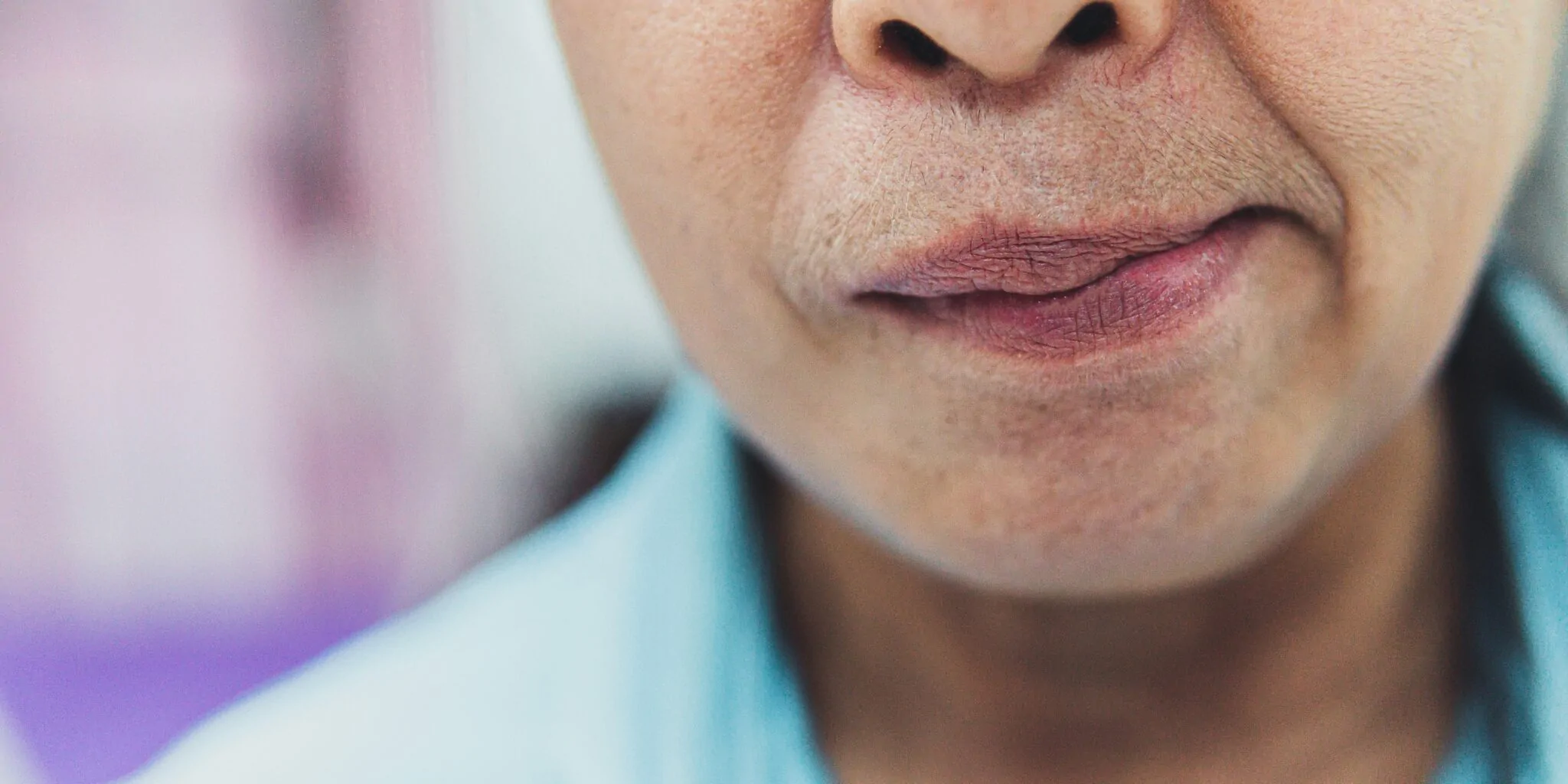
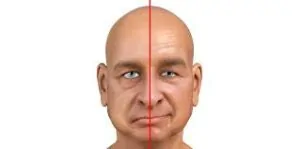
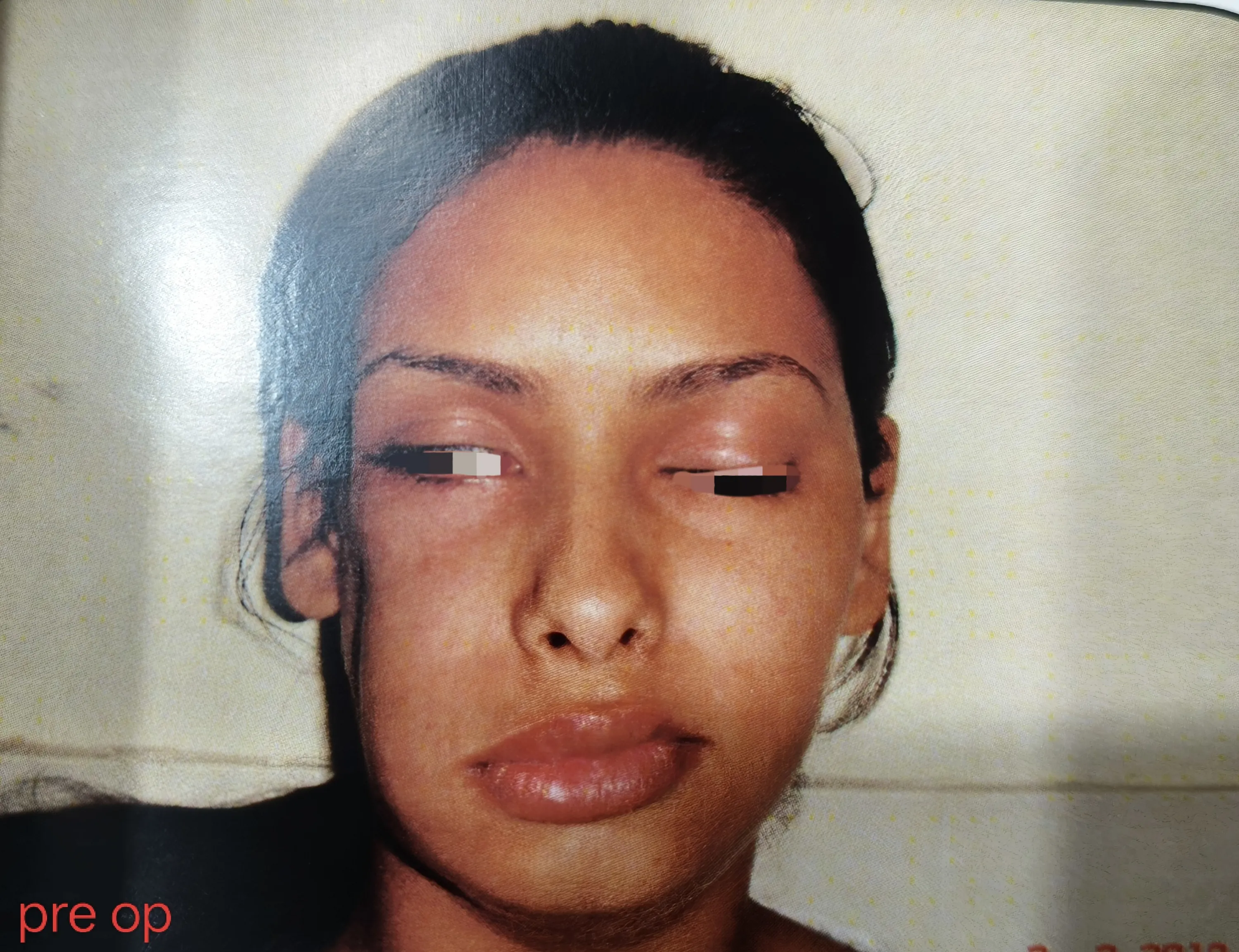
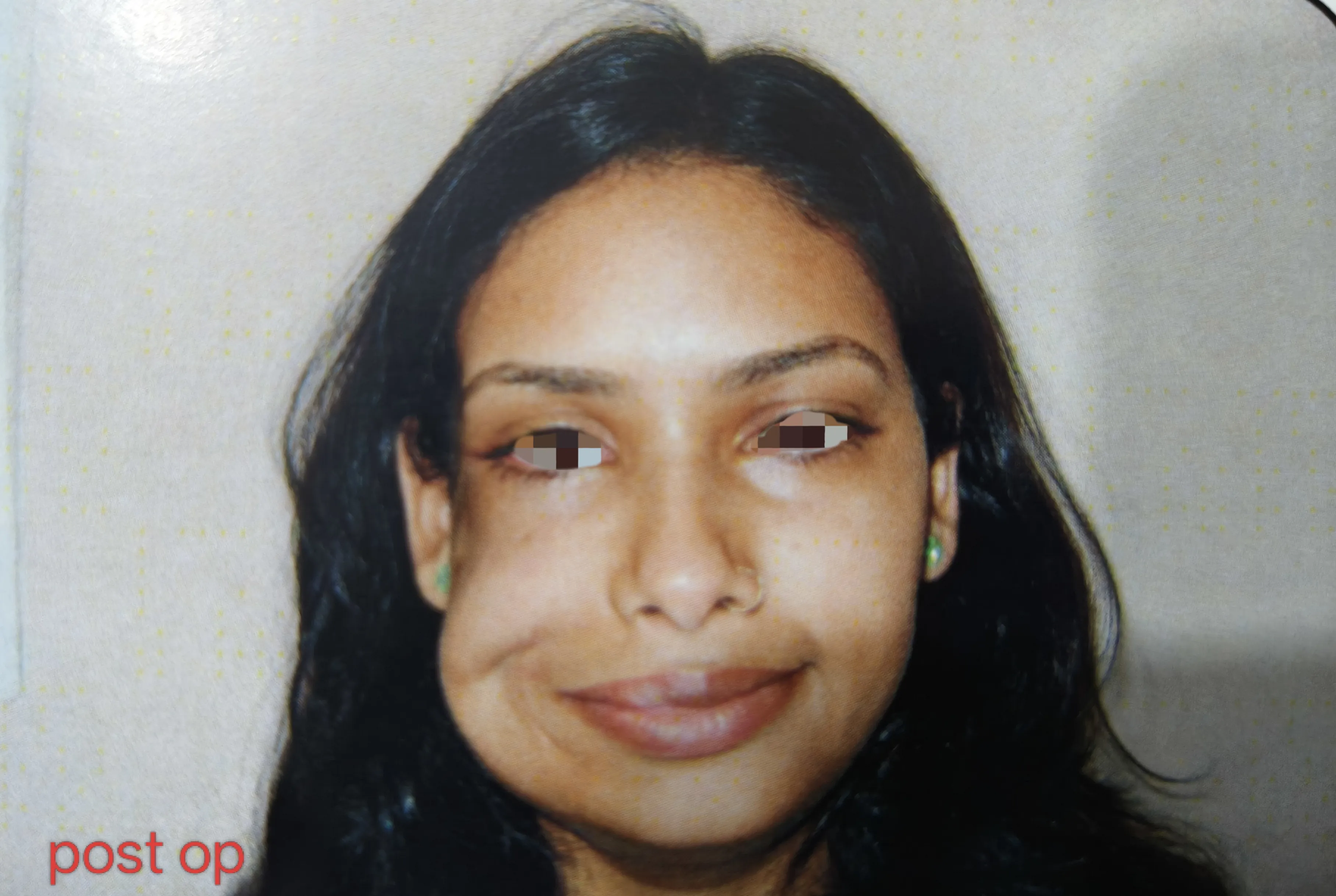
Facial Nerve Palsy, commonly known as Bell’s Palsy, is a sudden condition characterized by the paralysis or weakness of one side of the face due to the improper functioning of the facial nerve. While approximately 80% of patients experience symptom resolution within a short period, those with long-term effects may face challenges in everyday activities such as closing their eyes and smiling.
About Kayakriti and Your Surgeon
A short walk-through of our Lucknow clinic, plus a brief introduction from Dr. Amit Agarwal.
Facial Nerve Palsy, commonly known as Bell’s Palsy, is a sudden condition characterized by the paralysis or weakness of one side of the face due to the improper functioning of the facial nerve. While approximately 80% of patients experience symptom resolution within a short period, those with long-term effects may face challenges in everyday activities such as closing their eyes and smiling.
Course of the Facial Nerve
The facial nerve that controls facial muscles passes through a narrow corridor of bone under the ear on its way to the face.
Bell's Palsy and Its Causes
Bell’s Palsy is often related to viral infections that cause inflammation and swelling of the facial nerve. The exact cause is frequently unknown, but potential factors include:
Shingles and infections like Herpes.
Lyme disease.
Facial trauma.
Cold sores.
Infectious Mononucleosis.
Cytomegalovirus Infections.
Respiratory illnesses.
Mumps.
Flu.
Symptoms of Facial Nerve Palsy
Symptoms of Facial Nerve Palsy include:
Sudden onset of mild weakness to total paralysis on one side of the face within hours to days.
Drooping of facial musculature and an asymmetrical smile.
Drooping of the eyebrow leads to an inability to close the eye completely.
Collapse of nasal sidewalls, causing difficulty in breathing.
Excessive drooling of saliva.
Increased sensitivity to sound on the affected side.
Loss of taste.
Changes in the amount of tears and saliva produced.
Vision obstruction.
People at Risk for Facial Nerve Palsy
Certain groups of people are more susceptible to facial nerve palsy, including:
Pregnant women, particularly during the 3rd trimester or the 1st week postpartum.
Individuals with respiratory diseases like flu or cold.
Diabetic and cardiac patients.
Obese patients.
Complications Associated with Facial Nerve Palsy
Complications of facial nerve palsy can include:
Irreversible damage to the facial nerve.
Irregular regrowth of nerve fibers leads to involuntary muscle contractions when attempting to move other muscles (synkinesis).
Partial or complete blindness of the eye due to excessive dryness and scratching of the clear protective covering (cornea).
Reconstruction for Facial Palsy
Reconstruction techniques can be employed to address facial palsy, including:
Treatment at an early stage:
It includes the following procedures:
Direct Facial Nerve Repair with or without Grafting : This method is suitable when the facial nerve is damaged. A nerve graft is used to bridge the gap between the cut ends of the nerve. Typically, the sural nerve from the calf is used as a nerve graft.
Cross-Facial Nerve Grafts : In cases where one side of the face is affected, a nerve graft is used to connect unaffected facial nerve branches from the healthy side of the face to the paralyzed side. Nerve fibres grow across the graft, restoring function to the paralyzed muscles over time.
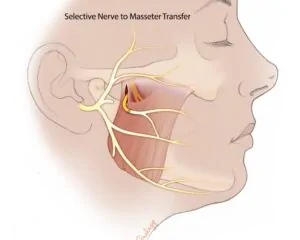
Nerve Transfers : When both sides of the face are affected, nearby nerves can be used as a source for facial muscle innervation. The masseteric nerve is often used for this purpose. It does not require the use of a nerve graft.
Nerve Transfer Surgery for Facial Palsy
Nerve transfer surgery for facial palsy involves rerouting nerves to restore facial movement. This procedure is used to address asymmetrical smiles resulting from Bell’s Palsy. The surgery is similar to a facelift, with incisions made in the hairline and along the ear. Key steps include identifying specific facial nerve branches responsible for smiling and connecting them to the masseteric branch of cranial nerve 5. Patients typically experience improved smiles within 4 to 6 months as the nerves heal.
Treatment at Late Stage
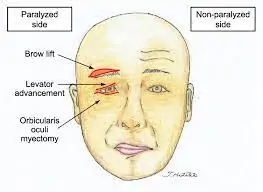
Late-stage treatment is considered for patients who have experienced facial palsy for more than 12 to 24 months. In such cases, original muscles may no longer accept nerve connections and alternative muscles must be used.
1. Static Reconstruction :
This type of reconstruction provides support to the muscles but doesn’t help in movement.
a) Slings are constructed from other regions of the body, like fascia from the thigh, forearm, or temple, or from surgical products.
b) Gold weight insertion for eyelid closure.
2. Dynamic Reconstruction :
This technique provides movement in the paralyzed muscles.
1. Regional Muscle Transfers- Functioning muscles like temporalis on the paralyzed side of the face (innervated by the trigeminal nerve) can partially be transferred to provide movement for the face.
2. Free Functional Muscle Transfers- With the help of microsurgical/microvascular advanced surgeries gracilis muscle from the inner thighs is transferred with its blood vessels & nerve. This muscle is positioned such that after 4 to 9 months approximately the muscle can contract giving a smile-like movement to the corner of the mouth & upper lip .
Consultation with a specialist, such as Dr. Amit Agarwal , is essential to determine the most appropriate treatment approach based on the individual’s specific condition and needs.
See the difference
Before & After — Facial Nerve Palsy
Drag the handle to compare. All photos are real patients shared with consent.
Before
After
Images shown are intended to provide general treatment insight only.
Every patient is unique, and outcomes may vary depending on individual
condition and treatment plan.
Common questions
Frequently asked questions
What is Facial Nerve Palsy, commonly known as Bell's Palsy, and what are the common causes and risk factors associated with its development?
Facial Nerve Palsy, or Bell’s Palsy, is a sudden and temporary weakness or paralysis of the facial muscles on one side of the face. It is often caused by viral infections, and risk factors may include a compromised immune system or family history.
What are the key signs and symptoms of Facial Nerve Palsy, and how does it typically manifest in affected individuals?
Facial Nerve Palsy is characterized by drooping of one side of the face, difficulty in closing the eye, drooling, and altered taste perception. It can affect facial expressions and speech.
How is Facial Nerve Palsy diagnosed, and what diagnostic methods are used to confirm the presence and severity of the condition in affected individuals?
Diagnosis involves a clinical examination by a healthcare professional and sometimes imaging tests like MRI or CT scans to rule out other potential causes of facial paralysis.
What are the available treatment options for Facial Nerve Palsy (Bell's Palsy), and how do they differ based on the severity and duration of the condition?
Treatment options may include medications like corticosteroids to reduce inflammation, physical therapy to maintain muscle tone, and eye protection measures. In some cases, surgical interventions may be considered for persistent symptoms.
How does Kayakriti Clinic specialize in managing Facial Nerve Palsy (Bell's Palsy), and what sets their approach apart in providing comprehensive care for patients with this condition?
Kayakriti Clinic specializes in Facial Nerve Palsy management with a focus on early intervention, rehabilitation, and improving facial function and appearance. Their approach includes a team of experts experienced in treating this condition.
What are the advantages of choosing Kayakriti Clinic for the treatment of Facial Nerve Palsy (Bell's Palsy), and how do they ensure comprehensive care for patients with this condition?
Kayakriti Clinic offers a patient-centric approach to Facial Nerve Palsy treatment, providing personalized treatment plans, rehabilitation, and support to optimize facial function and recovery.
Real stories
What our patients say about Kayakriti
★★★★★
"Kayakriti Plastic Surgery & Dental Clinic is one of the best clinics — excellent doctors and a very professional team. The clinic is clean, well-maintained, and uses advanced technology. Doctors explain everything clearly and make you feel comfortable throughout the treatment. Highly recommended for both plastic surgery and dental care."
★★★★★
"My big brother had a critical accident in August 2025 — his right foot was injured badly. Thanks to Dr Amit, the plastic surgery was a great success and now he is walking on his feet. Dr Amit is polite, humble, and guided us like family."
★★★★★
"Dr Amit Agarwal is really a very good plastic surgeon — he operated on my leg. The treatment is really very good and the staff behaviour is very nice."
★★★★★
"Dr Amit Agarwal performed surgery for diabetic foot on my father. We were very troubled before going to him; after his treatment the condition is much better. He debrided all the infection and did grafting on the same."
★★★★★
"Dr Amit Agarwal operated on my patient for a congenital defect. A renowned plastic surgeon of Uttar Pradesh with excellent post-operative results. He explains every step of the treatment very nicely and is very determined towards his work."
★★★★★
"Dr Amit is very approachable, so it is easy to talk to him and ask all our queries. Before operating he explains the entire process with all the pros and cons. His staff is well-trained and well-behaved — I had a wonderful experience."
★★★★★
"Dr Amit Agarwal operated on my sister who got burnt two years back, leaving burn scars in her neck area. With the help of tissue expanders he has cured her scars to the utmost. Thank you sir for the treatment."
★★★★★
"Dr Amit Agarwal operated on my child for a congenital defect and has delivered brilliant results. We are completely satisfied with his treatment and recommend him to everyone."
★★★★★
"I consulted Dr Amit Agarwal for my son's gynaecomastia operation. His results have been very good — now my son is much more confident and comfortable with his looks after the operation."
★★★★★
"Dr Amit operated on my patient for a lip augmentation surgery to give her lips a proper cosmetic shape. The post-operative results are very good — she is very satisfied."
★★★★★
"Dr Amit Agarwal operated on my son for gynaecomastia. Due to the puffiness in his chest he felt very embarrassed in public. Thanks to Dr Amit's treatment my son feels much better aesthetically and has gained a lot of confidence about his looks."
★★★★★
"We consulted Dr Amit for cosmetic correction of my daughter's facial profile. He brought her upper jaw forward, surgically improving her appearance. It was a tough operation but the results are phenomenal — we are really satisfied with the look now."
★★★★★
"My son had his fingers joined since birth, causing a lot of functional problems. Dr Amit Agarwal performed syndactyly release on him. Now he is much better and there were no issues regarding post-operative complications."
★★★★★
"I got my rhinoplasty done under Dr Amit. The shape of my nose wasn't nice and my facial profile was getting hampered. Dr Amit elevated my nose to give it proper shape — now it is looking fine and I am very satisfied."
★★★★★
"Dr Amit Agarwal operated on my patient for deformed lips. He gave my patient a very aesthetic appearance and we are highly satisfied by the surgery. The cosmetic correction was successful with no complications."
★★★★★
"Dr Amit Sir is really a very good plastic surgeon — great nature, very cooperative staff, excellent scope for cosmetic treatment. Very happy and satisfied with the treatment. It really changed my life and enhanced my confidence."
★★★★★
"Dr Amit Agarwal performed cosmetic surgery on my nephew, who was facing a lot of issues with confidence due to gynaecomastia. After Dr Amit's treatment he is much better and has a boosted confidence level."
★★★★★
"I met a road accident two months back and my ring finger fractured. My orthopaedic doctor recommended Dr Amit for the joint fracture management. After he operated, my condition is much better."
★★★★★
"Dr Amit Agarwal operated on my patient for vascular malformation. He removed the complete swelling through an operation which went well and the results are good. The staff kept us well informed at every step and the whole process went smoothly."
★★★★★
"My patient wasn't satisfied with the aesthetic appearance of her lips. Dr Amit performed a lip augmentation surgery — it made her lips look more full and richer. She is very satisfied with the results."
★★★★★
"We were very troubled after my son met a road accident in which his jaw got fractured. Dr Amit confirmed the diagnosis quickly and proceeded for the surgery — through plating he joined the bones of the jaw and stabilised it. The condition now is much better."
★★★★★
"My brother is diabetic and hurt his leg; the wound was not healing for a long time. Dr Amit debrided all the infected part and covered it with a flap. The wound is now healed — we are lucky we got the correct treatment on time."