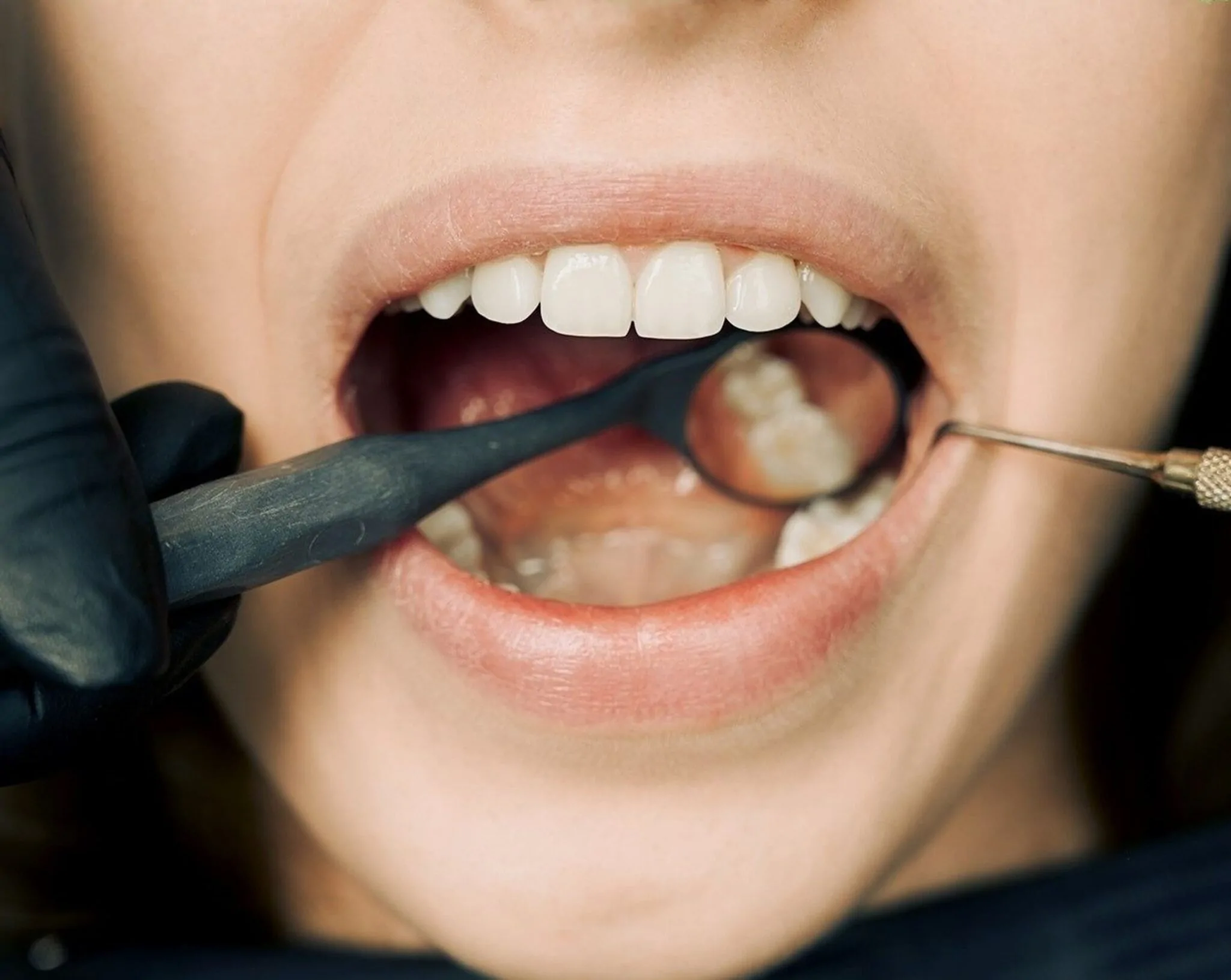
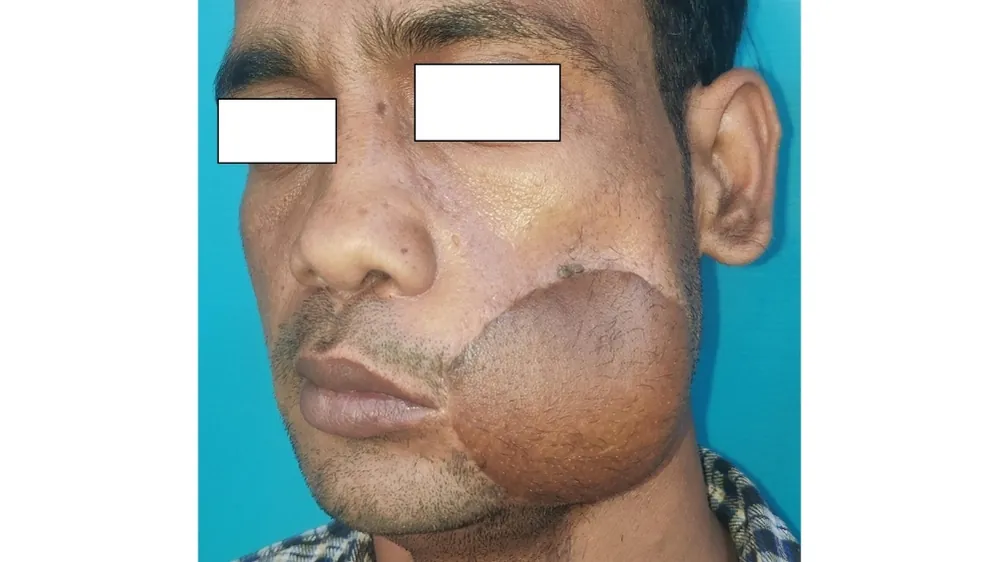
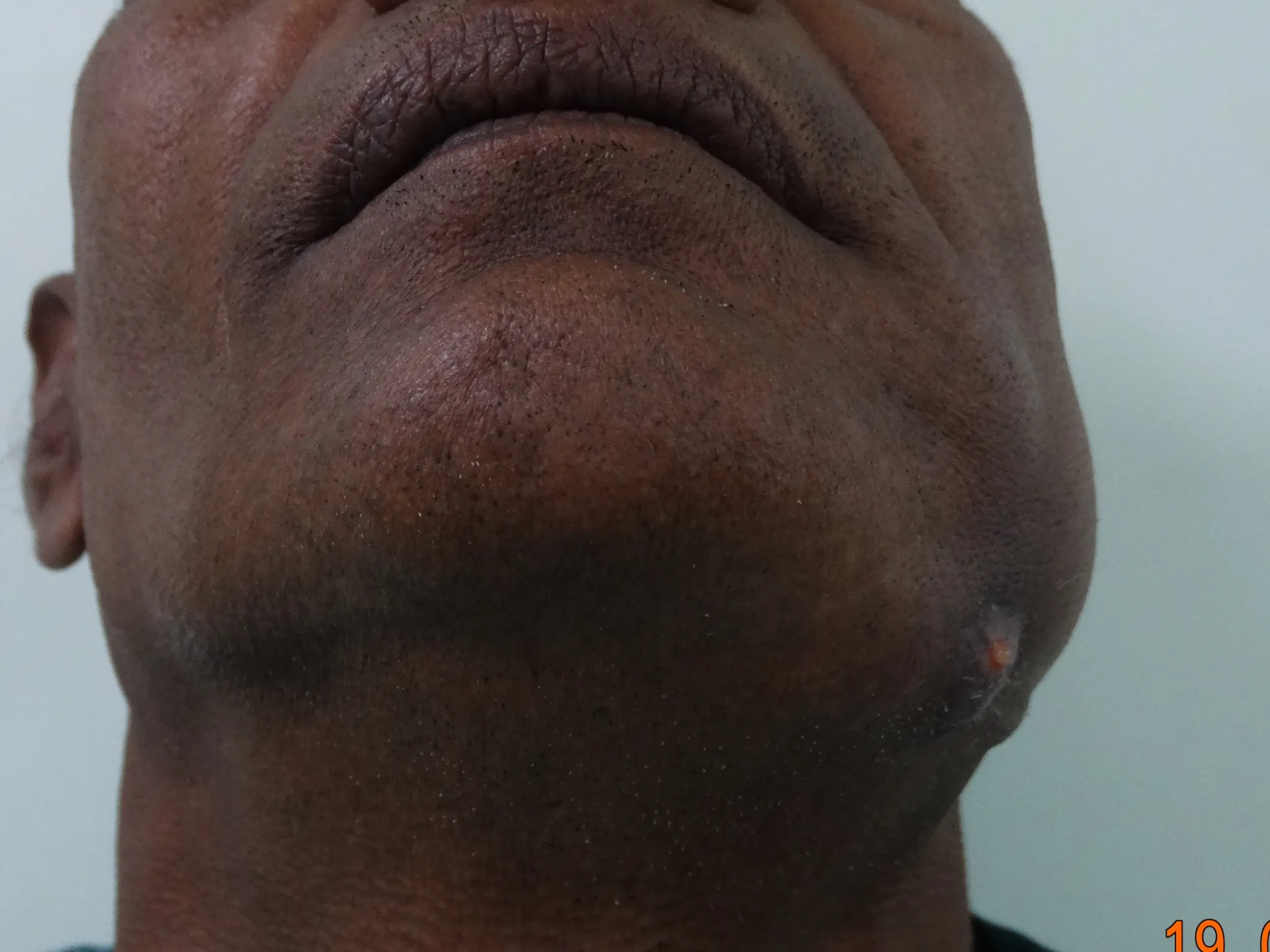
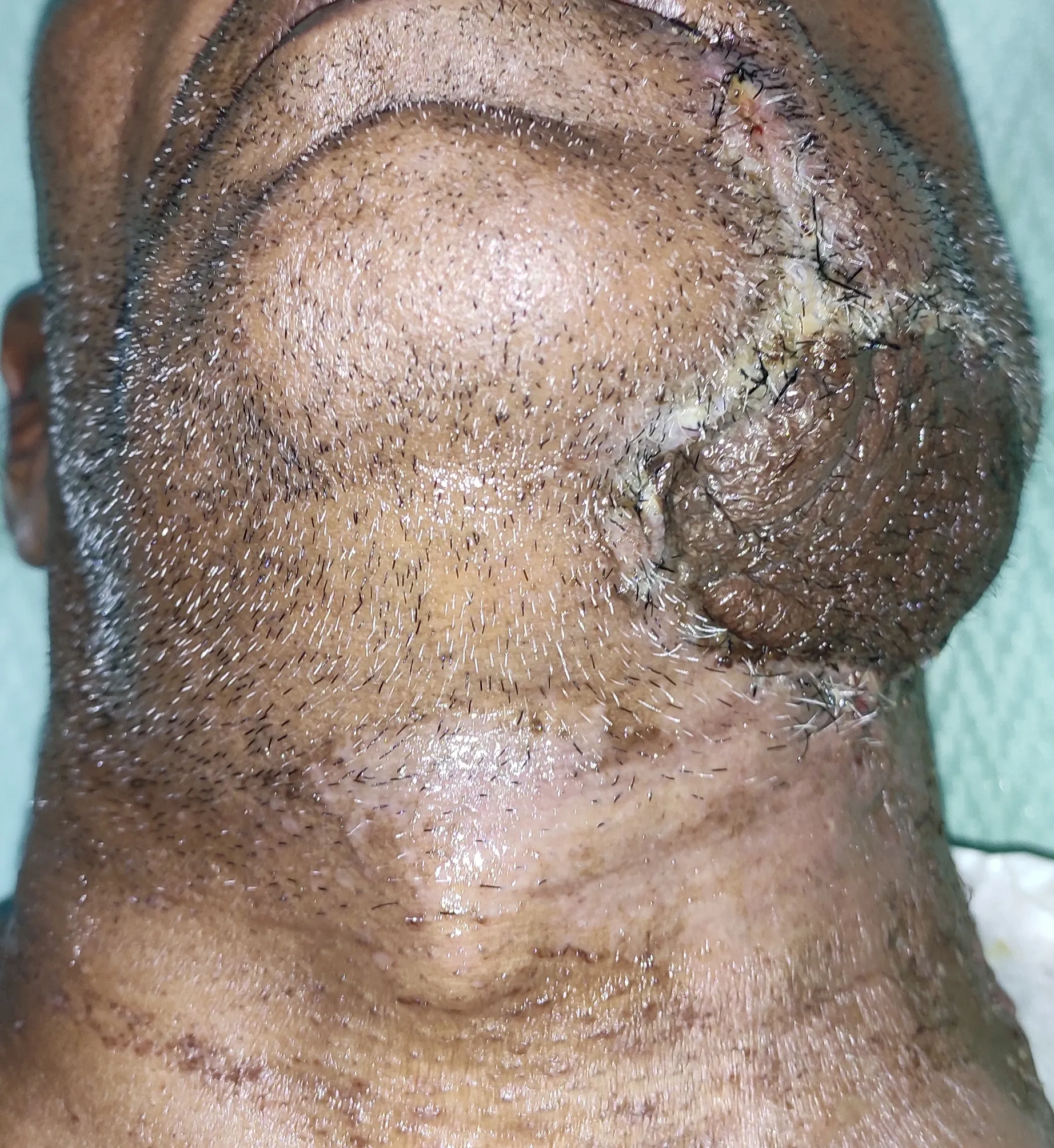
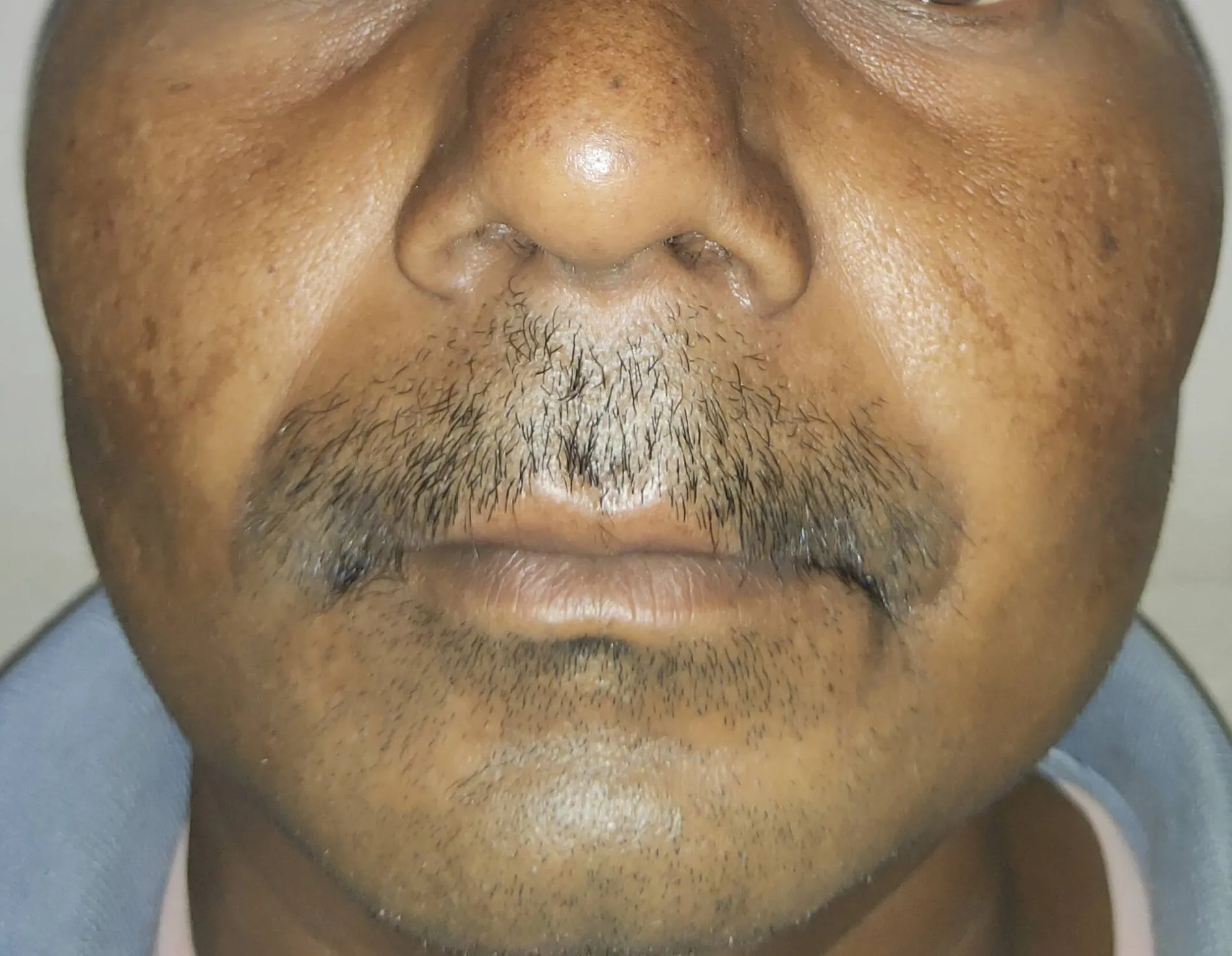
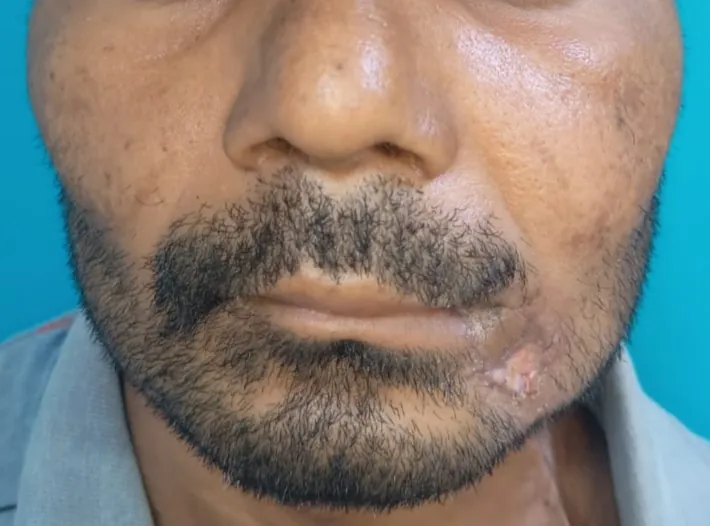
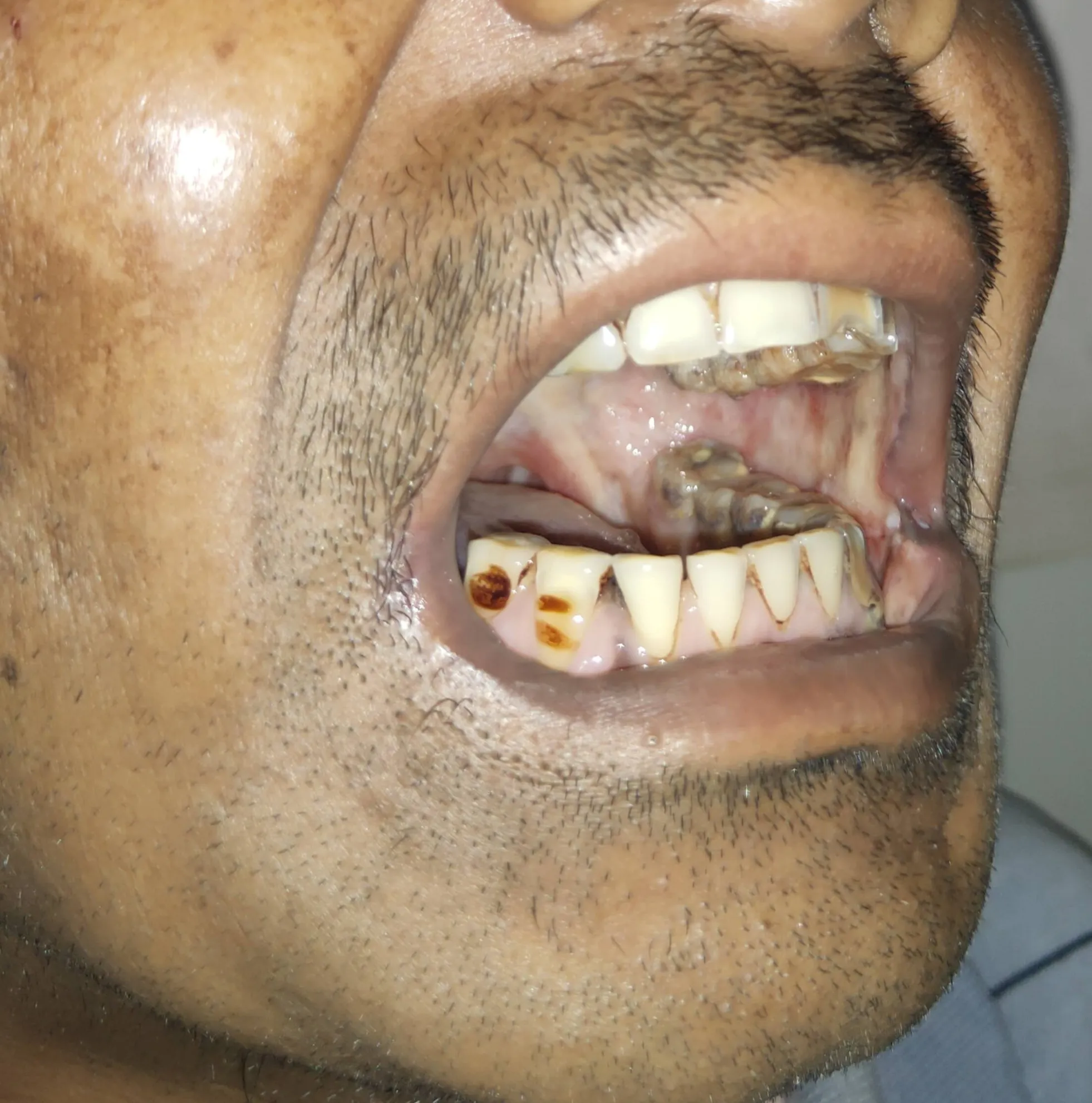
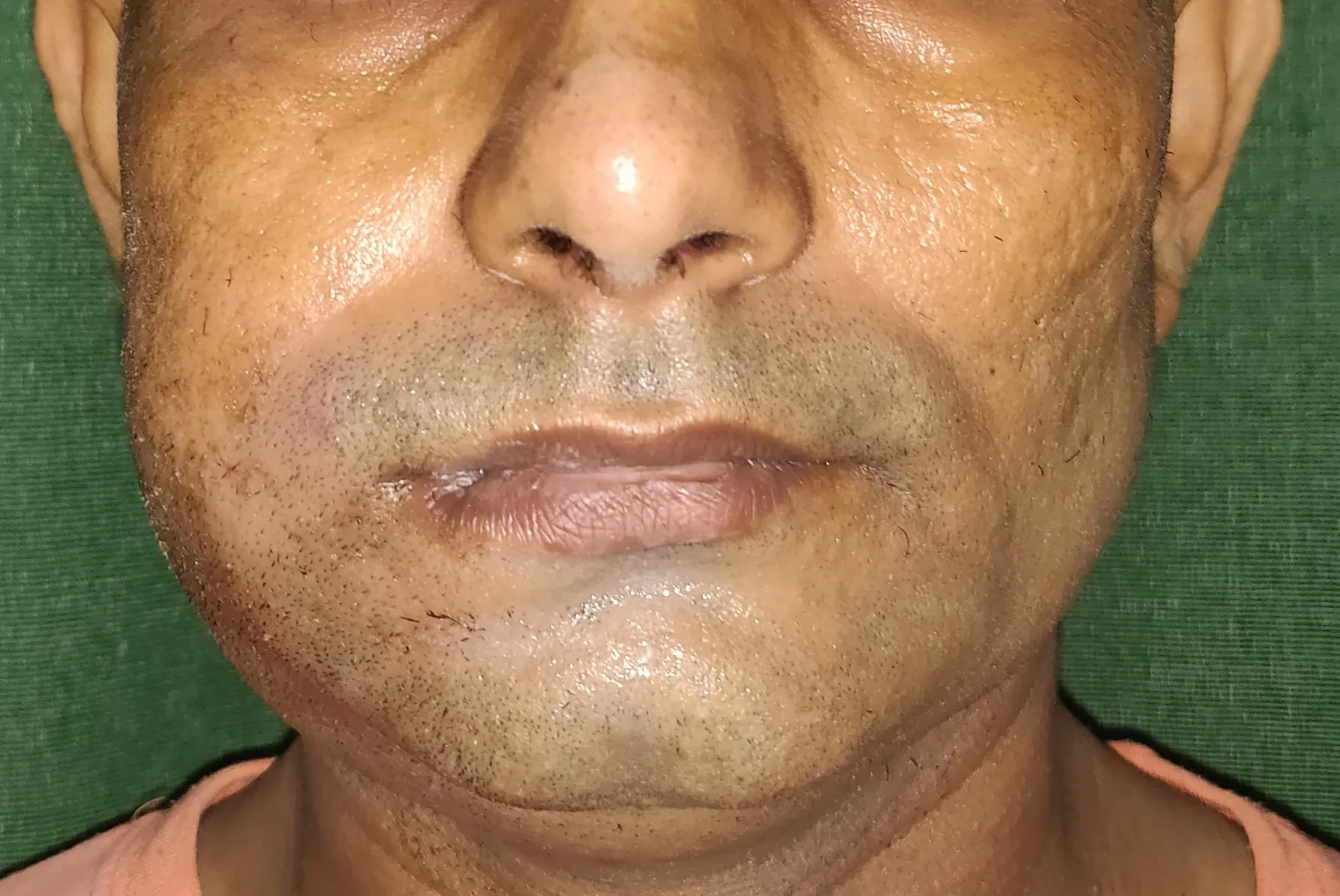
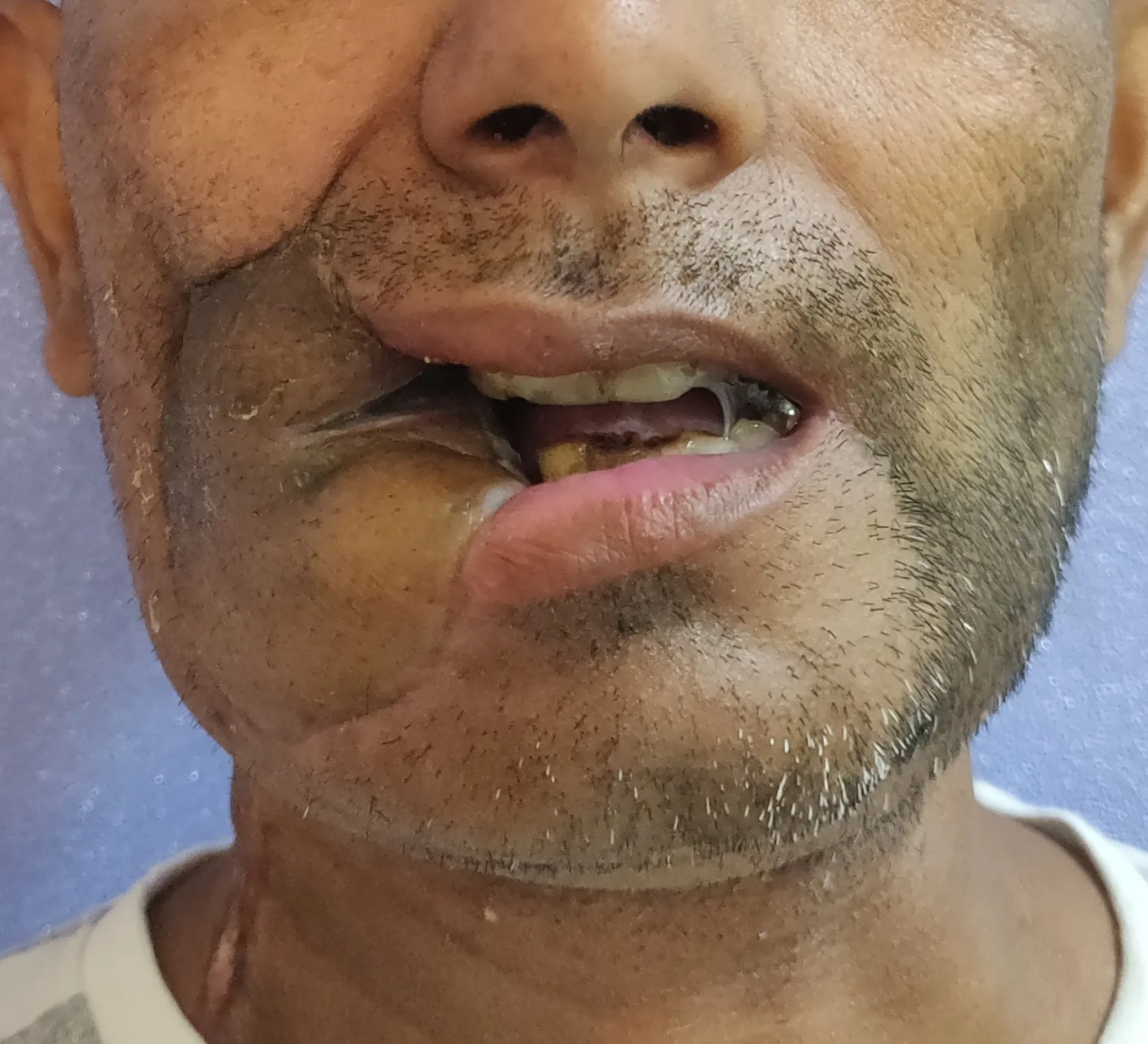
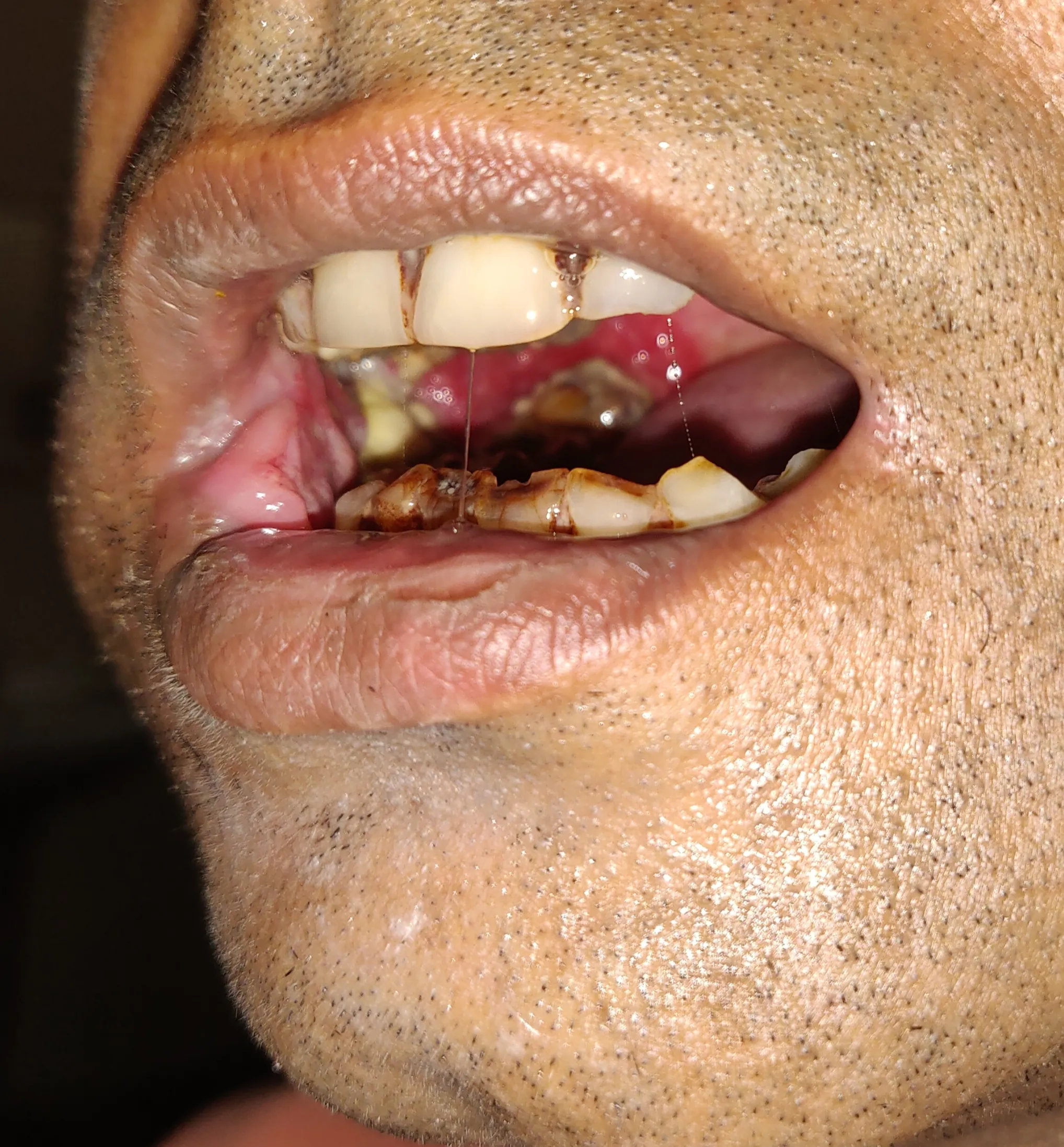
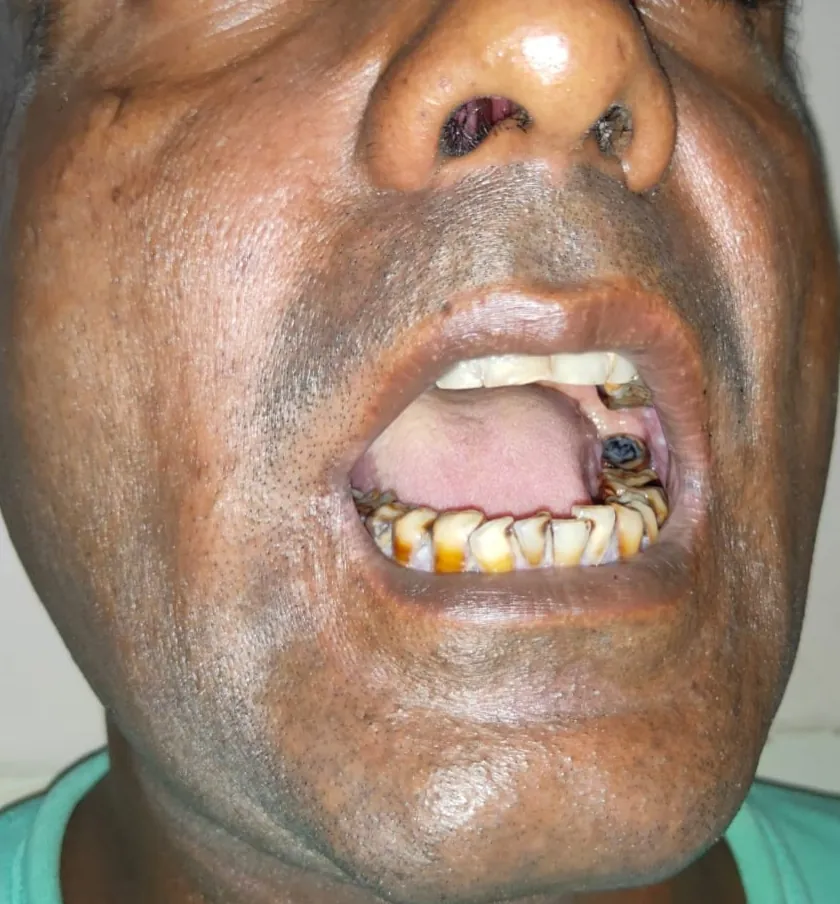
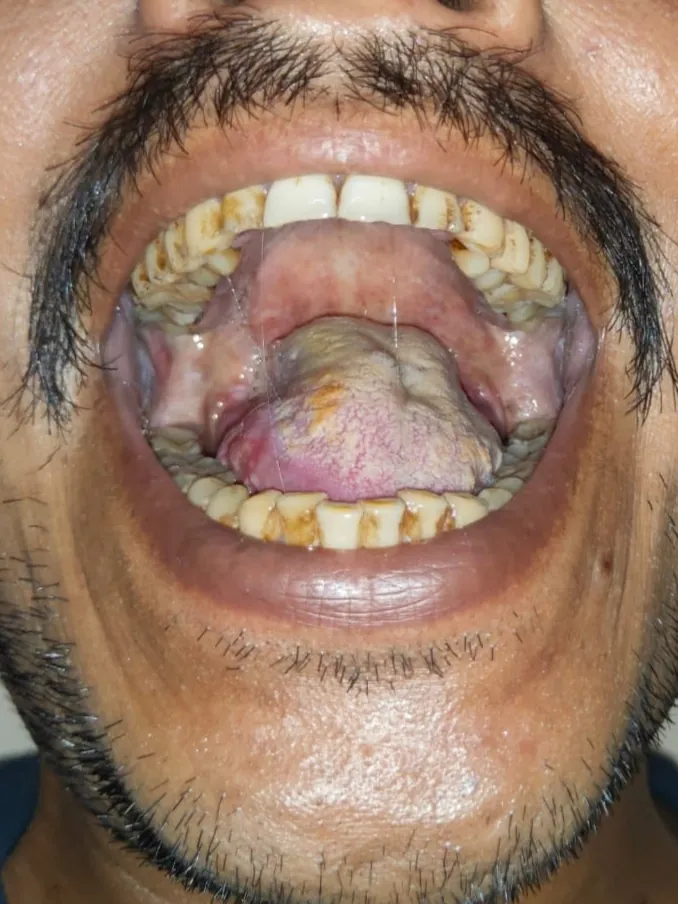
Oral cancer refers to cancer that develops within the oral cavity, encompassing areas such as the inner lining of the mouth, tongue, gums, lips, the roof, and floor of the mouth. It typically manifests as an ulcer, growth, or lump in the mouth that doesn’t respond to treatment and fails to heal over time. Early diagnosis and treatment are crucial, as oral cancers can be life-threatening and have the potential to spread throughout the body if left untreated.
Oral Cancer — explained on video
Procedure explainers, surgeon Q&A, and patient stories — straight from Dr. Amit Agarwal.
This video is for educational purposes only.
Treatments are individualised according to each patient's condition and
needs. Similar results cannot be guaranteed for every individual.
Introduction to Oral Cancer
Oral cancer refers to cancer that develops within the oral cavity, encompassing areas such as the inner lining of the mouth, tongue, gums, lips, the roof, and floor of the mouth. It typically manifests as an ulcer, growth, or lump in the mouth that doesn’t respond to treatment and fails to heal over time. Early diagnosis and treatment are crucial, as oral cancers can be life-threatening and have the potential to spread throughout the body if left untreated.
Stages of Oral Cancer
Early diagnosis significantly improves the chances of successful treatment. Unfortunately, many cases are diagnosed at an advanced stage due to delayed medical attention or alternative treatment choices. Oral cancer is most commonly associated with tobacco use in any form and excessive alcohol consumption.
Who Is at Risk for Oral Cancer?
While most cases occur in individuals over 50, younger people aged 25-30 are also increasingly affected by oral cancers. Men are at higher risk than women, and a lack of sufficient fruits and vegetables in the diet has been linked to increased risk. It’s important to note that more than 25% of oral cancer cases occur in non-smokers and occasional alcohol drinkers.
Symptoms of Oral Cancer
Symptoms to watch out for include:
Painless ulcers or growths in the mouth that bleed upon touch and persist for over a month despite treatment.
Thickening or swelling, accompanied by velvety white or red patches in the mouth.
Jaw swelling or pain.
Unexplained bleeding from the mouth.
Difficulty wearing dentures.
Unexpected tooth looseness.
Chewing or swallowing difficulties, speech problems, or jaw and tongue movement limitations in advanced stages.
Hoarseness or voice changes if cancer has spread to the vocal apparatus.
Unexplained weight loss.
Causes of Oral Cancer
Oral cancer risk factors include:
Tobacco use, including smoking (cigarettes, cigars, pipes) and smokeless tobacco (paan masala, chewing paan).
Excessive alcohol consumption.
Certain strains of Human Papillomavirus (HPV), are associated with oral and oropharyngeal cancers.
Ultraviolet light exposure from the sun or tanning beds primarily causes lip cancer.
Oral cancer can be detected during routine dental exams or through self-examination. Self-examination is recommended yearly and every three months for smokers or tobacco chewers. A dentist should evaluate any swelling, ulcer, or lesion inside the mouth once a year for the general population. The American Cancer Society suggests oral cancer screening exams every three years for those over 20 and annually for those over 40.
What to Do If You Suspect Oral Cancer
Suspicious lesions should be biopsied for a definitive oral cancer diagnosis. If the biopsy confirms cancer, additional investigations such as a CECT scan of the face and neck and FNAC (needle cytology) of an enlarged neck lymph node may be required. If the biopsy is negative but suspicion remains, a repeat biopsy from deeper areas may be recommended.
Life Expectancy After Developing Oral Cancer
Life expectancy after oral cancer diagnosis varies based on factors like cancer stage, location, and spread. The 5-year survival rate is commonly used to estimate outcomes:
Early-stage oral cancers with no spread have a survival rate of more than 85-90%.
If cancer has spread to nearby tissues or lymph nodes, the rate drops to 70%.
When cancer has spread to distant parts of the body, the survival rate is less than 40%.
Preventing Oral Cancer
Preventing oral cancer is possible through:
Maintaining a healthy lifestyle.
Consuming a balanced diet rich in vegetables and fruits.
Strictly avoiding all forms of tobacco.
Moderating alcohol consumption.
Using sunscreen on the face to protect against UV rays.
Reducing the risk of HPV through safe sexual practices.
Treatment of Oral Cancer
Oral cancer treatment typically involves surgery to remove cancerous growth, followed by radiation therapy and/or chemotherapy to eliminate remaining cancer cells.
Preparing for Oral Cancer Surgery
Preparation includes diagnostic CT scans and X-rays, pre-operative photographs, CT angiograms if needed, arranging blood units, and admission the day before surgery. The importance of tracheostomy, ICU care, and post-operative ventilation should be discussed, and consent should be obtained for microvascular surgical exploration if vessel blockage occurs after surgery.
Surgical Procedure for Oral Cancer
The surgical process involves general anesthesia, tracheostomy if necessary, Ryles’s nasogastric tube insertion, urinary catheter placement, neck lymph node dissection, wide local excision of the tumor, and reconstruction using bone, muscle, or skin transfer with associated blood vessels. The goal is to restore appearance and function as closely as possible to the original state.
Microvascular Reconstruction for Oral Cancer
Microvascular reconstruction employs a powerful microscope to reconnect blood vessels and nerves in transferred tissues. Various flap types can be used for reconstruction, depending on the defect’s constituents.
The harvested tissue (FLAP) is used to reconstruct the area with surgical defects. It helps to heal the defect and helps restore form and function.
Post-Operative Recovery
Recovery includes ICU stay, monitoring of the flap, antibiotic and analgesic administration, head elevation, Ryles’s tube feeding, regular Betadine mouth gargles, dressing changes, drain removal, and gradual resumption of oral feeds and mouth opening exercises. Complete recovery typically takes about three weeks.
Treatment After Oral Cancer Surgery
Further treatment, such as radiotherapy and chemotherapy, depends on the final histopathology report. Radiotherapy should commence within 6-8 weeks post-surgery, ensuring complete wound healing.
Why Choose Kayakriti for Oral Cancer Reconstruction?
Dr. Amit Agarwal specializes in microvascular reconstruction for oral cancer, achieving a high success rate of around 95%. The outcome depends on factors like vessel status, patient immunity, and protein levels.
Post-Operative Complications
Complications may include risks related to anesthesia, microsurgical reconstruction (e.g., thrombosis, flap failure), skin slough, oro-cutaneous fistula, infection, hematoma, poor wound healing, scars, deep vein thrombosis, pulmonary or cardiac issues, revision surgery, facial asymmetry, and sutural dehiscence.
Understanding oral cancer, early detection, and access to specialized treatment are crucial to improving outcomes for individuals affected by this condition.
See the difference
Before & After — Oral Cancer
Drag the handle to compare. All photos are real patients shared with consent.
Before
After
Before
After
Before
After
Before
After
Before
After
Before
After
Before
After
Before
After
Before
After
Before
After
Images shown are intended to provide general treatment insight only.
Every patient is unique, and outcomes may vary depending on individual
condition and treatment plan.
Common questions
Frequently asked questions
What are Oral Cancers, and what are the common causes and risk factors associated with the development of oral cancer?
Oral Cancers are malignant tumors that can develop in the mouth, including the lips, tongue, cheeks, and throat. Common causes and risk factors include tobacco use, alcohol consumption, HPV infection, and exposure to sunlight.
What are the different types of Oral Cancers, and how are they typically categorized based on their location and characteristics?
Oral Cancers can vary in type and location, with common types including squamous cell carcinoma and adenocarcinoma. They are categorized based on the site of origin within the oral cavity.
How are Oral Cancers diagnosed, and what diagnostic methods are used to confirm the presence and extent of oral cancer?
Diagnosis of Oral Cancers involves a clinical examination, biopsy, and imaging studies like CT scans or MRI to assess the size and spread of the cancer.
What are the available treatment options for Oral Cancers, and how do they differ based on the type and stage of the cancer?
Treatment options may include surgery, radiation therapy, chemotherapy, targeted therapy, or immunotherapy, depending on the type and stage of the oral cancer.
How does Kayakriti Clinic specialize in managing Oral Cancers, and what sets their approach apart in providing comprehensive care for oral cancer patients?
Kayakriti Clinic specializes in Oral Cancer management with a focus on early detection, precision treatment, and supportive care. Their approach includes a multidisciplinary team of experts to provide optimal treatment and support.
What are the advantages of choosing Kayakriti Clinic for the treatment of Oral Cancers, and how do they ensure comprehensive care for patients with oral cancers?
Kayakriti Clinic offers a patient-centric approach to Oral Cancer treatment, providing personalized treatment plans, advanced therapies, and rehabilitation to optimize outcomes and quality of life.
Real stories
What our patients say about Kayakriti
★★★★★
"Kayakriti Plastic Surgery & Dental Clinic is one of the best clinics — excellent doctors and a very professional team. The clinic is clean, well-maintained, and uses advanced technology. Doctors explain everything clearly and make you feel comfortable throughout the treatment. Highly recommended for both plastic surgery and dental care."
★★★★★
"My big brother had a critical accident in August 2025 — his right foot was injured badly. Thanks to Dr Amit, the plastic surgery was a great success and now he is walking on his feet. Dr Amit is polite, humble, and guided us like family."
★★★★★
"Dr Amit Agarwal is really a very good plastic surgeon — he operated on my leg. The treatment is really very good and the staff behaviour is very nice."
★★★★★
"Dr Amit Agarwal performed surgery for diabetic foot on my father. We were very troubled before going to him; after his treatment the condition is much better. He debrided all the infection and did grafting on the same."
★★★★★
"Dr Amit Agarwal operated on my patient for a congenital defect. A renowned plastic surgeon of Uttar Pradesh with excellent post-operative results. He explains every step of the treatment very nicely and is very determined towards his work."
★★★★★
"Dr Amit is very approachable, so it is easy to talk to him and ask all our queries. Before operating he explains the entire process with all the pros and cons. His staff is well-trained and well-behaved — I had a wonderful experience."
★★★★★
"Dr Amit Agarwal operated on my sister who got burnt two years back, leaving burn scars in her neck area. With the help of tissue expanders he has cured her scars to the utmost. Thank you sir for the treatment."
★★★★★
"Dr Amit Agarwal operated on my child for a congenital defect and has delivered brilliant results. We are completely satisfied with his treatment and recommend him to everyone."
★★★★★
"I consulted Dr Amit Agarwal for my son's gynaecomastia operation. His results have been very good — now my son is much more confident and comfortable with his looks after the operation."
★★★★★
"Dr Amit operated on my patient for a lip augmentation surgery to give her lips a proper cosmetic shape. The post-operative results are very good — she is very satisfied."
★★★★★
"Dr Amit Agarwal operated on my son for gynaecomastia. Due to the puffiness in his chest he felt very embarrassed in public. Thanks to Dr Amit's treatment my son feels much better aesthetically and has gained a lot of confidence about his looks."
★★★★★
"We consulted Dr Amit for cosmetic correction of my daughter's facial profile. He brought her upper jaw forward, surgically improving her appearance. It was a tough operation but the results are phenomenal — we are really satisfied with the look now."
★★★★★
"My son had his fingers joined since birth, causing a lot of functional problems. Dr Amit Agarwal performed syndactyly release on him. Now he is much better and there were no issues regarding post-operative complications."
★★★★★
"I got my rhinoplasty done under Dr Amit. The shape of my nose wasn't nice and my facial profile was getting hampered. Dr Amit elevated my nose to give it proper shape — now it is looking fine and I am very satisfied."
★★★★★
"Dr Amit Agarwal operated on my patient for deformed lips. He gave my patient a very aesthetic appearance and we are highly satisfied by the surgery. The cosmetic correction was successful with no complications."
★★★★★
"Dr Amit Sir is really a very good plastic surgeon — great nature, very cooperative staff, excellent scope for cosmetic treatment. Very happy and satisfied with the treatment. It really changed my life and enhanced my confidence."
★★★★★
"Dr Amit Agarwal performed cosmetic surgery on my nephew, who was facing a lot of issues with confidence due to gynaecomastia. After Dr Amit's treatment he is much better and has a boosted confidence level."
★★★★★
"I met a road accident two months back and my ring finger fractured. My orthopaedic doctor recommended Dr Amit for the joint fracture management. After he operated, my condition is much better."
★★★★★
"Dr Amit Agarwal operated on my patient for vascular malformation. He removed the complete swelling through an operation which went well and the results are good. The staff kept us well informed at every step and the whole process went smoothly."
★★★★★
"My patient wasn't satisfied with the aesthetic appearance of her lips. Dr Amit performed a lip augmentation surgery — it made her lips look more full and richer. She is very satisfied with the results."
★★★★★
"We were very troubled after my son met a road accident in which his jaw got fractured. Dr Amit confirmed the diagnosis quickly and proceeded for the surgery — through plating he joined the bones of the jaw and stabilised it. The condition now is much better."
★★★★★
"My brother is diabetic and hurt his leg; the wound was not healing for a long time. Dr Amit debrided all the infected part and covered it with a flap. The wound is now healed — we are lucky we got the correct treatment on time."