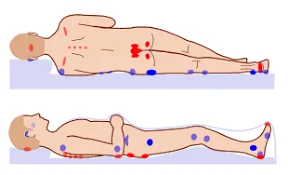
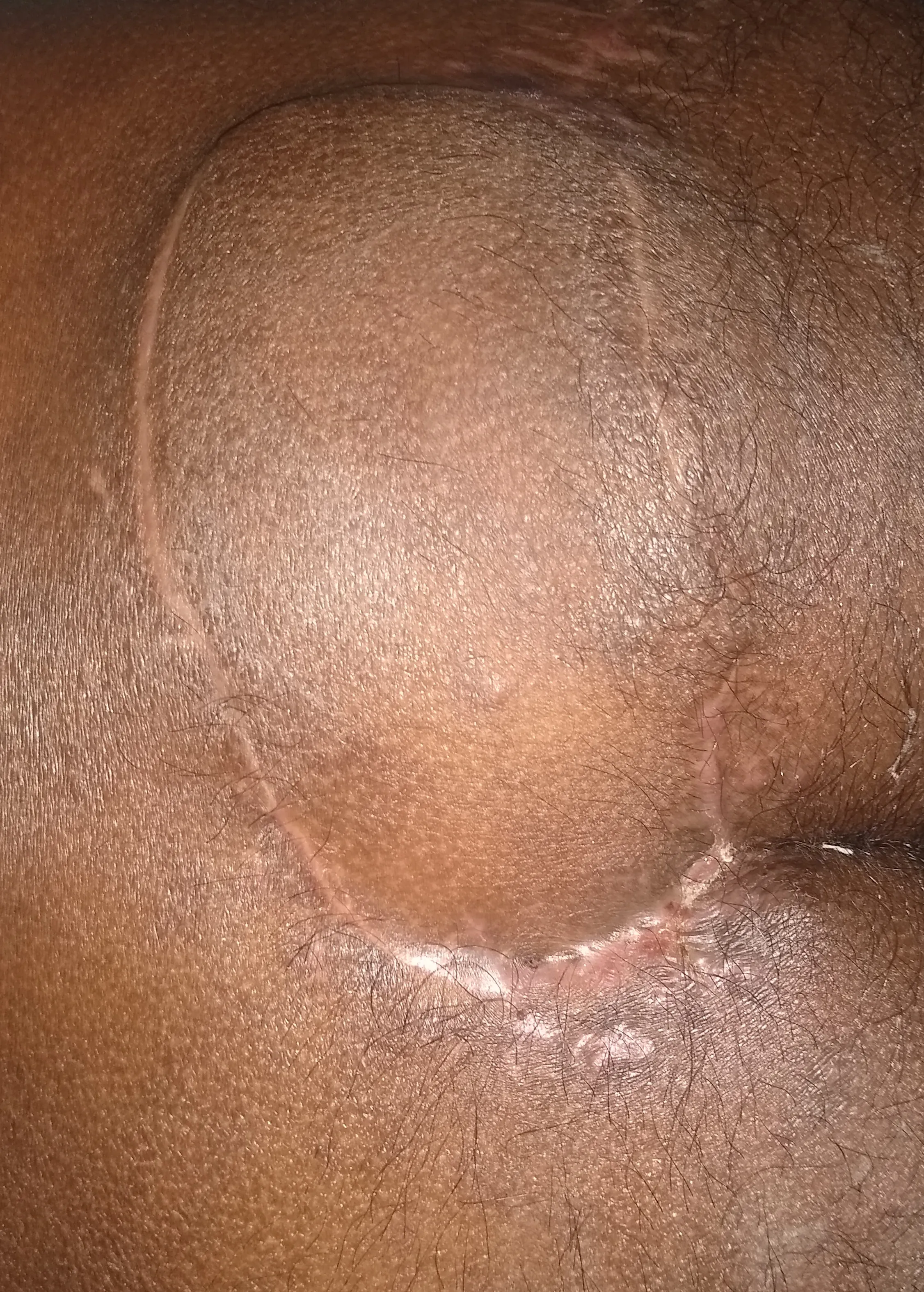
Bedsores, or pressure ulcers, can develop when a person remains in the same position for an extended period. The location of the bedsore depends on the patient’s body position:
About Kayakriti and Your Surgeon
A short walk-through of our Lucknow clinic, plus a brief introduction from Dr. Amit Agarwal.
Bedsores, or pressure ulcers, can develop when a person remains in the same position for an extended period. The location of the bedsore depends on the patient’s body position:
Prolonged seated position can lead to ischium (seat bone) bedsores.
Prolonged lying-down position can cause sacrum (lower back) bedsores.
Prolonged side position can result in trochanter (side bone/hip) bedsores.
Other common areas for bedsores include the heel, elbow, malleolus (ankle), knee, scapula (shoulder blade) , and occiput (back of the head).
Development of Sacral Bed Sores
Sacral bed sores, or lower back bedsores, typically occur in patients who are very sick and unable to move due to primary ailments such as paralysis, trauma, fractures, old age, etc. Patients admitted to the hospital for extended periods, particularly in the ICU or on ventilators, are also prone to developing sacral bedsores. The prolonged pressure over the lower back region makes these patients susceptible to this condition.
Categories of Sacral Bed Sores
Bedsores are categorized based on the extent of damage they have caused:
Category I: Generalized redness over the pressure areas.
Category II: Partial loss of superficial skin, similar to an injury from rubbing against an object.
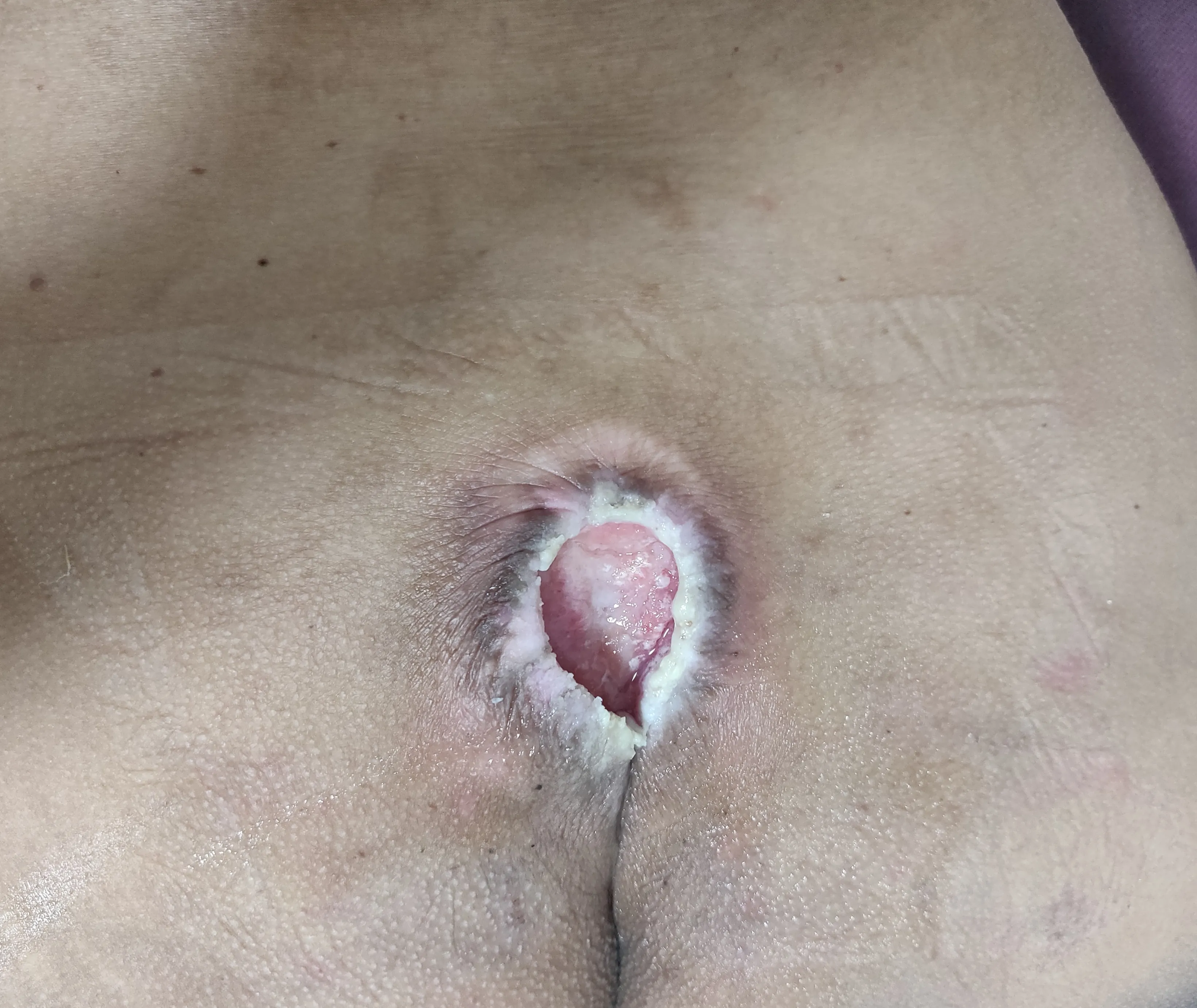
Category III and IV: Full-thickness loss of skin and muscle in Category III and exposure of bones in Category IV.
For bedsores at any stage, relatives or attendants are advised to consult a plastic surgeon immediately to prevent further progression.
Treatment at Kayakriti
For Categories I and II:
Patients with Category I or II sacral bed sores may not require admission if other factors and comorbidities are well controlled. They are educated about wound management, and specific dressings are advised. Follow-up is typically scheduled weekly initially, and later, once a month for three months after complete healing.
For Categories III and IV:
Patients with Category III or IV sacral bed sores require hospital admission. A comprehensive evaluation of their nutritional status and surgical fitness is conducted. After admission and after ensuring that the patient is vitally stable and medically cleared for surgery, surgical treatment is planned.
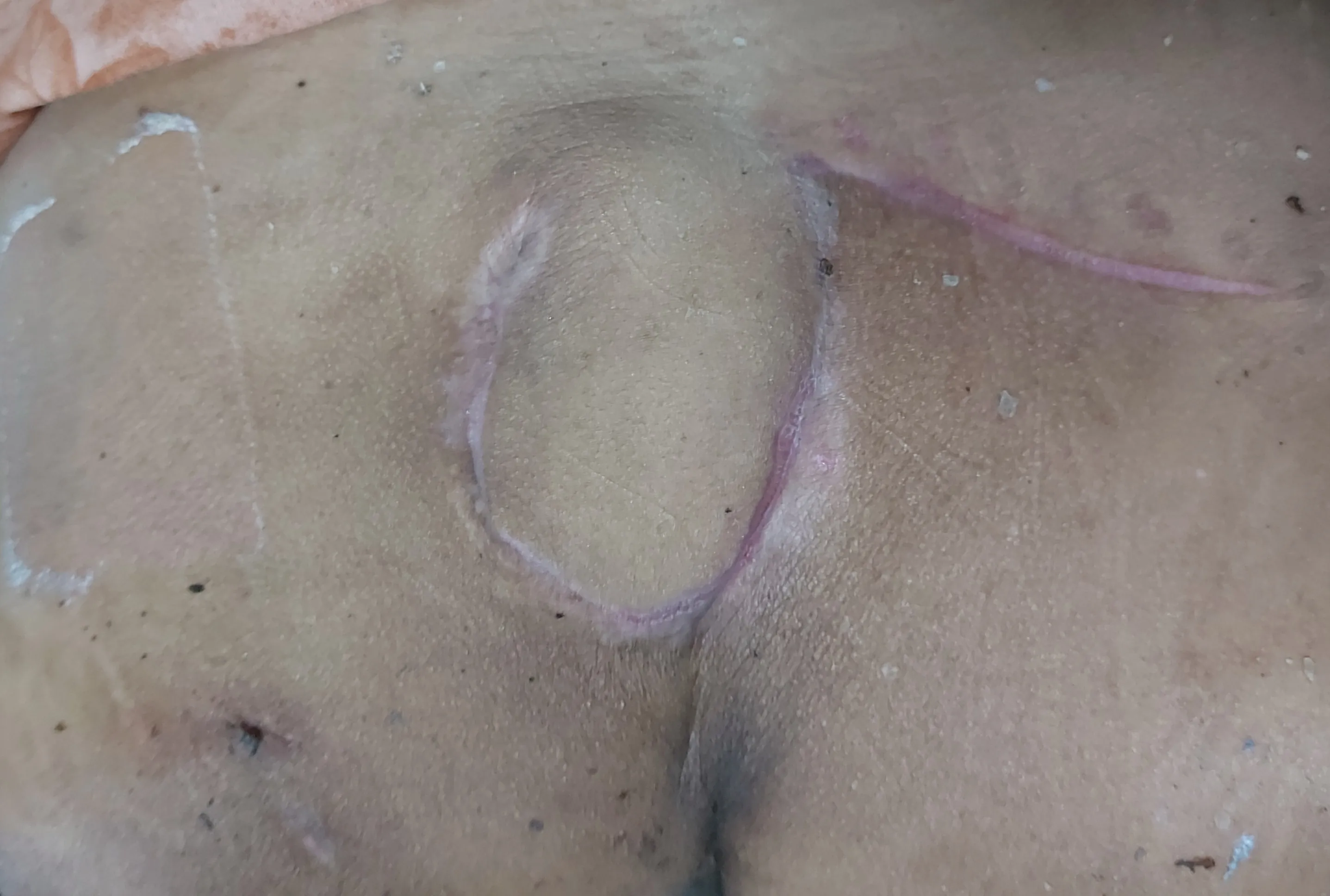
Single-Stage Surgery: In some cases, a single-stage surgery is performed, which involves proper debridement to remove the entire bedsore, excising the infected portion of the sacral bone, and closing the resultant defect using a flap from the surrounding area.
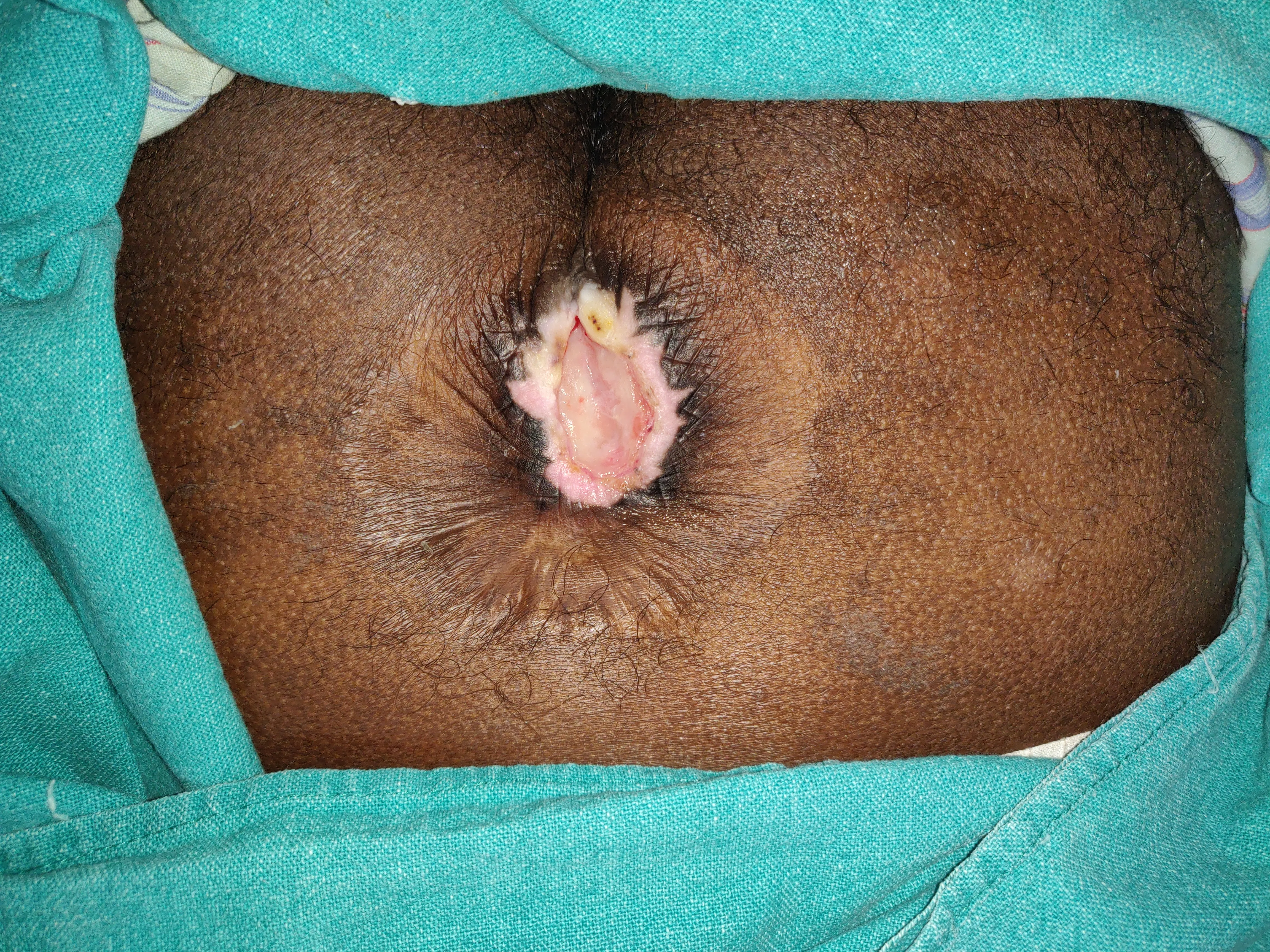
Two-Staged Surgery: Two-staged surgery may be necessary in certain cases, including when the wound is severely infected and needs further debridement or when the defect is too large to be closed in one stage. The patient may also be too ill to undergo immediate flap coverage. In the first stage, debridement of the sore is performed, and Negative Pressure Wound Therapy (VAC) is applied for 5-7 days. After about a week, the VAC is removed. If there are no signs of active infection, and the patient’s condition has improved, a flap cover surgery is planned for the second stage.
In the second surgery, wound closure is typically achieved with a local flap. This involves using the skin and soft tissue from the surrounding normal area, such as the gluteus maximus muscle flap with the overlying skin, rotation flap, and V to Y advancement flap, among others.
In rare cases where the defect is too large, microvascular free flap surgery may be necessary. In this procedure, a flap is harvested from another part of the body and transferred to the sacral area. Microsurgical techniques are used to connect the vessels of the flap to the vessels of the sacral region.
Recovery After Surgery
The patient is nursed in the prone position,
An air mattress is used,
Proper Hygiene has to be maintained,
Foley’s catheterization is done and
Flap is being monitored regularly for any color changes, or any infection.
The patient is kept on a soft diet for a few days, to decrease the frequency of stools.
Dressing is done every alternate day.
The patient is kept in the hospital for at least 2 weeks.
Suction is removed once the amount is less than 10-15 ml in 24 hours.
Sutures are removed after 2 weeks.
Once the flap is settled and the patient is vitally stable, discharge is planned.
Patients are educated about home care, including the use of an air mattress, hygiene, and regular side-to-side turning. Follow-up visits are scheduled after one week and later once or twice a month for the next three months.
See the difference
Before & After — Bedsore over Sacrum (Lower Back)
Drag the handle to compare. All photos are real patients shared with consent.
Before
After
Before
After
Images shown are intended to provide general treatment insight only.
Every patient is unique, and outcomes may vary depending on individual
condition and treatment plan.
Common questions
Frequently asked questions
What is a Bedsore over the Sacrum, and how is it characterized?
A Bedsore over the Sacrum, also known as a pressure ulcer or pressure sore, is a skin injury that occurs due to prolonged pressure on the skin and underlying tissues, typically in the lower back or sacral area.
What are the common causes and risk factors for the development of Bedsore over the Sacrum?
Common causes include prolonged pressure, friction, and moisture. Risk factors include immobility, incontinence, reduced sensation, and malnutrition.
What are the key signs and symptoms of a Bedsore over the Sacrum, and how does it affect an individual's physical and emotional well-being?
Symptoms may include redness, open sores, and tissue damage. Bedsore over the Sacrum can lead to pain, infection, and emotional distress.
How is a Bedsore over the Sacrum diagnosed, and what diagnostic methods are used to assess the sore's severity and potential complications?
Diagnosis involves a clinical assessment of the sore’s appearance and staging. Imaging studies may be used to assess tissue damage and potential complications like infection.
What treatment options are available for individuals with a Bedsore over the Sacrum, and how is the treatment plan determined based on the sore's stage and severity?
Treatment options include wound care, pressure relief, and addressing underlying factors. The treatment plan is tailored to the sore’s stage, depth, and potential complications.
What advantages does Kayakriti Clinic offer for the treatment and management of Bedsore over the Sacrum, and how do they ensure comprehensive care for affected individuals?
Kayakriti Clinic specializes in wound care and pressure ulcer management. They provide a multidisciplinary approach to ensure comprehensive care, including plastic surgery interventions when necessary.
Real stories
What our patients say about Kayakriti
★★★★★
"Kayakriti Plastic Surgery & Dental Clinic is one of the best clinics — excellent doctors and a very professional team. The clinic is clean, well-maintained, and uses advanced technology. Doctors explain everything clearly and make you feel comfortable throughout the treatment. Highly recommended for both plastic surgery and dental care."
★★★★★
"My big brother had a critical accident in August 2025 — his right foot was injured badly. Thanks to Dr Amit, the plastic surgery was a great success and now he is walking on his feet. Dr Amit is polite, humble, and guided us like family."
★★★★★
"Dr Amit Agarwal is really a very good plastic surgeon — he operated on my leg. The treatment is really very good and the staff behaviour is very nice."
★★★★★
"Dr Amit Agarwal performed surgery for diabetic foot on my father. We were very troubled before going to him; after his treatment the condition is much better. He debrided all the infection and did grafting on the same."
★★★★★
"Dr Amit Agarwal operated on my patient for a congenital defect. A renowned plastic surgeon of Uttar Pradesh with excellent post-operative results. He explains every step of the treatment very nicely and is very determined towards his work."
★★★★★
"Dr Amit is very approachable, so it is easy to talk to him and ask all our queries. Before operating he explains the entire process with all the pros and cons. His staff is well-trained and well-behaved — I had a wonderful experience."
★★★★★
"Dr Amit Agarwal operated on my sister who got burnt two years back, leaving burn scars in her neck area. With the help of tissue expanders he has cured her scars to the utmost. Thank you sir for the treatment."
★★★★★
"Dr Amit Agarwal operated on my child for a congenital defect and has delivered brilliant results. We are completely satisfied with his treatment and recommend him to everyone."
★★★★★
"I consulted Dr Amit Agarwal for my son's gynaecomastia operation. His results have been very good — now my son is much more confident and comfortable with his looks after the operation."
★★★★★
"Dr Amit operated on my patient for a lip augmentation surgery to give her lips a proper cosmetic shape. The post-operative results are very good — she is very satisfied."
★★★★★
"Dr Amit Agarwal operated on my son for gynaecomastia. Due to the puffiness in his chest he felt very embarrassed in public. Thanks to Dr Amit's treatment my son feels much better aesthetically and has gained a lot of confidence about his looks."
★★★★★
"We consulted Dr Amit for cosmetic correction of my daughter's facial profile. He brought her upper jaw forward, surgically improving her appearance. It was a tough operation but the results are phenomenal — we are really satisfied with the look now."
★★★★★
"My son had his fingers joined since birth, causing a lot of functional problems. Dr Amit Agarwal performed syndactyly release on him. Now he is much better and there were no issues regarding post-operative complications."
★★★★★
"I got my rhinoplasty done under Dr Amit. The shape of my nose wasn't nice and my facial profile was getting hampered. Dr Amit elevated my nose to give it proper shape — now it is looking fine and I am very satisfied."
★★★★★
"Dr Amit Agarwal operated on my patient for deformed lips. He gave my patient a very aesthetic appearance and we are highly satisfied by the surgery. The cosmetic correction was successful with no complications."
★★★★★
"Dr Amit Sir is really a very good plastic surgeon — great nature, very cooperative staff, excellent scope for cosmetic treatment. Very happy and satisfied with the treatment. It really changed my life and enhanced my confidence."
★★★★★
"Dr Amit Agarwal performed cosmetic surgery on my nephew, who was facing a lot of issues with confidence due to gynaecomastia. After Dr Amit's treatment he is much better and has a boosted confidence level."
★★★★★
"I met a road accident two months back and my ring finger fractured. My orthopaedic doctor recommended Dr Amit for the joint fracture management. After he operated, my condition is much better."
★★★★★
"Dr Amit Agarwal operated on my patient for vascular malformation. He removed the complete swelling through an operation which went well and the results are good. The staff kept us well informed at every step and the whole process went smoothly."
★★★★★
"My patient wasn't satisfied with the aesthetic appearance of her lips. Dr Amit performed a lip augmentation surgery — it made her lips look more full and richer. She is very satisfied with the results."
★★★★★
"We were very troubled after my son met a road accident in which his jaw got fractured. Dr Amit confirmed the diagnosis quickly and proceeded for the surgery — through plating he joined the bones of the jaw and stabilised it. The condition now is much better."
★★★★★
"My brother is diabetic and hurt his leg; the wound was not healing for a long time. Dr Amit debrided all the infected part and covered it with a flap. The wound is now healed — we are lucky we got the correct treatment on time."