
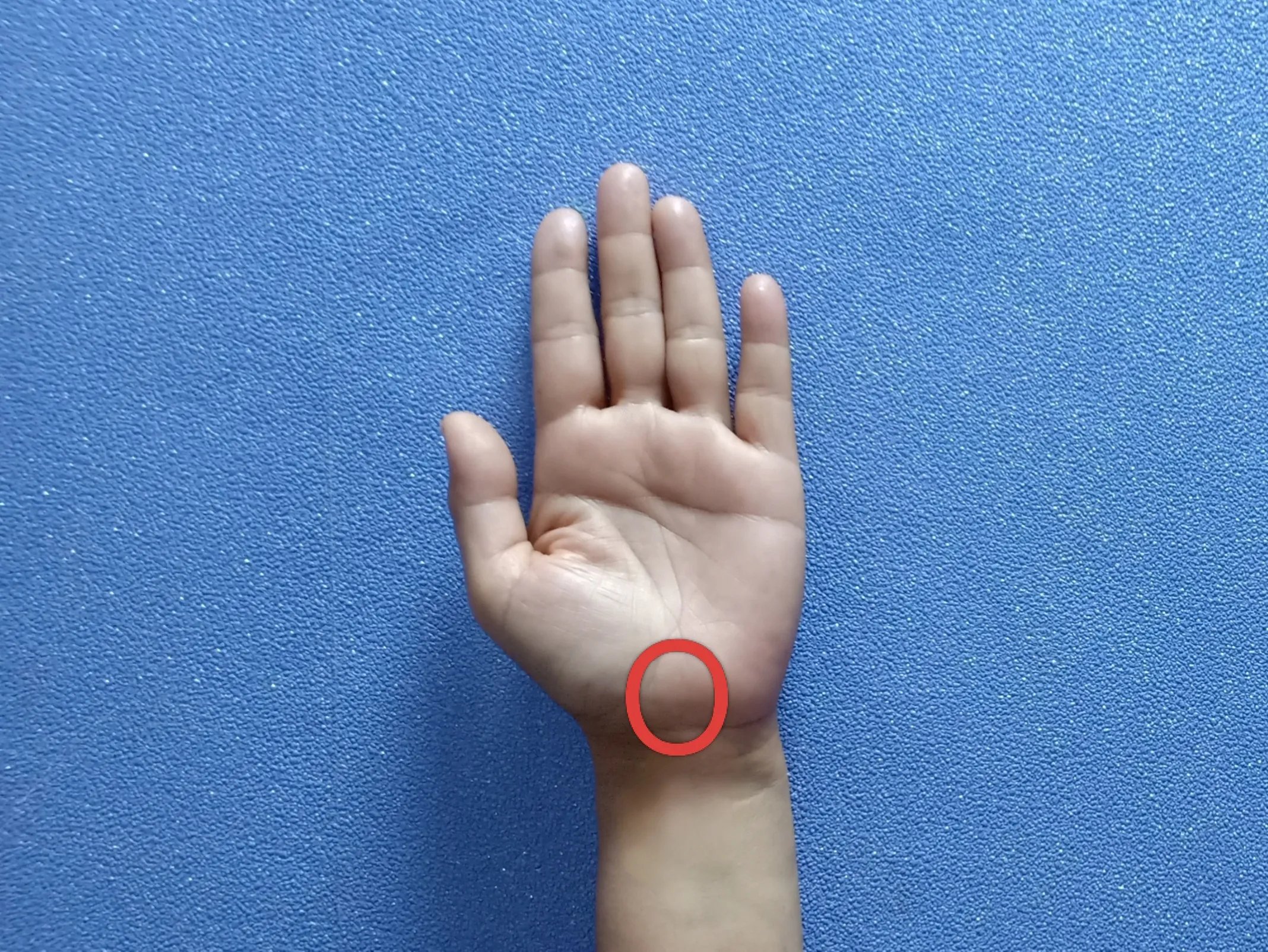
Location of the Carpal Tunnel in the Hand
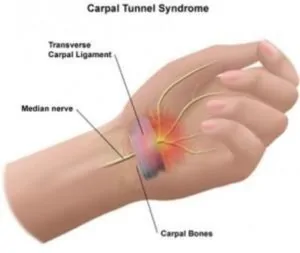
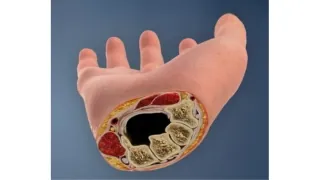
The carpal tunnel is a narrow canal or tube in the wrist. Similarly, to a tunnel you could travel through by car, this tunnel allows the median nerve and tendons to connect the hand and forearm.
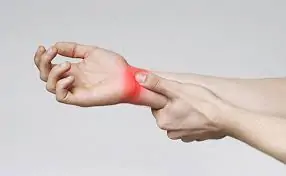
The carpal tunnel is a narrow canal or tube in the wrist. Similarly, to a tunnel you could travel through by car, this tunnel allows the median nerve and tendons to connect the hand and forearm.

A short walk-through of our Lucknow clinic, plus a brief introduction from Dr. Amit Agarwal.
A quick tour of Kayakriti clinic, Lucknow
Meet Dr. Amit Agarwal
The carpal tunnel is a narrow canal or tube in the wrist. Similarly, to a tunnel you could travel through by car, this tunnel allows the median nerve and tendons to connect the hand and forearm.

Carpal tunnel syndrome is also more common in women than in men in their middle age.
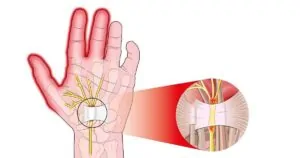
Carpal tunnel syndrome is caused when the space (the carpal tunnel) in the wrist narrows. This presses down on the median nerve and tendons (located inside the carpal tunnel), which cuts off sensation in the fingers and hand.
Symptoms usually begin slowly and can occur at any time.
Early symptoms include:
In fact, because some people sleep with their wrists curled, nighttime symptoms are common and can wake people from sleep. Shaking the hands helps relieve symptoms in the early stage of the condition.
Common daytime symptoms can include:
As carpal tunnel syndrome worsens, symptoms become more constant. These symptoms of progression include:
In the most severe condition, the muscles at the base of the thumb visibly shrink in size (atrophy) or the patient develops tiny ulcers due to burns on the fingertips.
Diagnosis of carpal tunnel syndrome is mostly clinical where a proper history, clinical examination, and detail of pre-existing diseases help in arriving at a proper diagnosis. Two clinical tests commonly done are-
Few investigations are done to confirm the diagnosis-
a) Nerve Conduction Velocities (NCV) and Electro-Myographic Studies (EMG) of the affected hand is quite diagnostic for carpal tunnel syndrome
b) MRI of the wrist is done in a few cases
c) HR Ultrasonography of the wrist can also be done to see the thickness of the nerve before it enters the canal.
Carpal tunnel syndrome can be treated non-surgically or with surgery. Non-surgical treatments are used for less severe cases and allow you to continue with daily activities without interruption. Surgical treatments can help in more severe cases and have very positive outcomes.
What are the non-surgical treatments for CTS?
Non-surgical treatments are usually tried first. Treatment begins by:
Other treatments focus on ways to change your lifestyle to decrease symptoms. This is often seen in the workplace, where you can make modifications to help with carpal tunnel. These changes might include:
Surgery is recommended when carpal tunnel syndrome does not respond to non-surgical treatments or has already become severe.
The goal of surgery is to increase the size of the tunnel in order to decrease the pressure on the nerves and tendons that pass through the space.
After all the pre-operative investigations and management of diabetes and hypothyroidism, surgery is planned.
Surgery is done usually in brachial plexus block or General Anesthesia.
A small incision is given about the wrist and carpal tunnel is released. The ligament that covers the carpal tunnel at the base of the palm called the transverse carpal ligament is released/ cut.
Finger movements are started once the effect of the brachial plexus block is gone or when the patient is out from in anesthesia.
Recovery times can vary depending on your age, general health, severity of carpal tunnel syndrome, and how long you had symptoms. You will continue to gain strength and sensation in the following year after surgery.
Surgery for carpal tunnel syndrome has a very high success rate of over 95%. Many symptoms are relieved quickly after treatment, including a tingling sensation in the hands and waking up at night.

Only a small percentage of patients do not gain substantial relief from symptoms. These are the patients who either had-
Release of the CTS and tendon transfers should be done to strengthen the weak portions of the hand.
A strong tendon of the hand is re-routed to substitute a weaker or lost movement of the hand.
How is the tendon transfer done for median nerve palsy?
During tendon transfers for median nerve palsy, one tendon from the front of the hand is taken, re-routed, and sutured to the tendon of the outer aspect of the thumb so that the patient can abduct (bring out thumb) and also make a meaningful pinch with the other fingers so as to hold objects with the thumb and fingers (OPPONENSPLASTY)
Drag the handle to compare. All photos are real patients shared with consent.
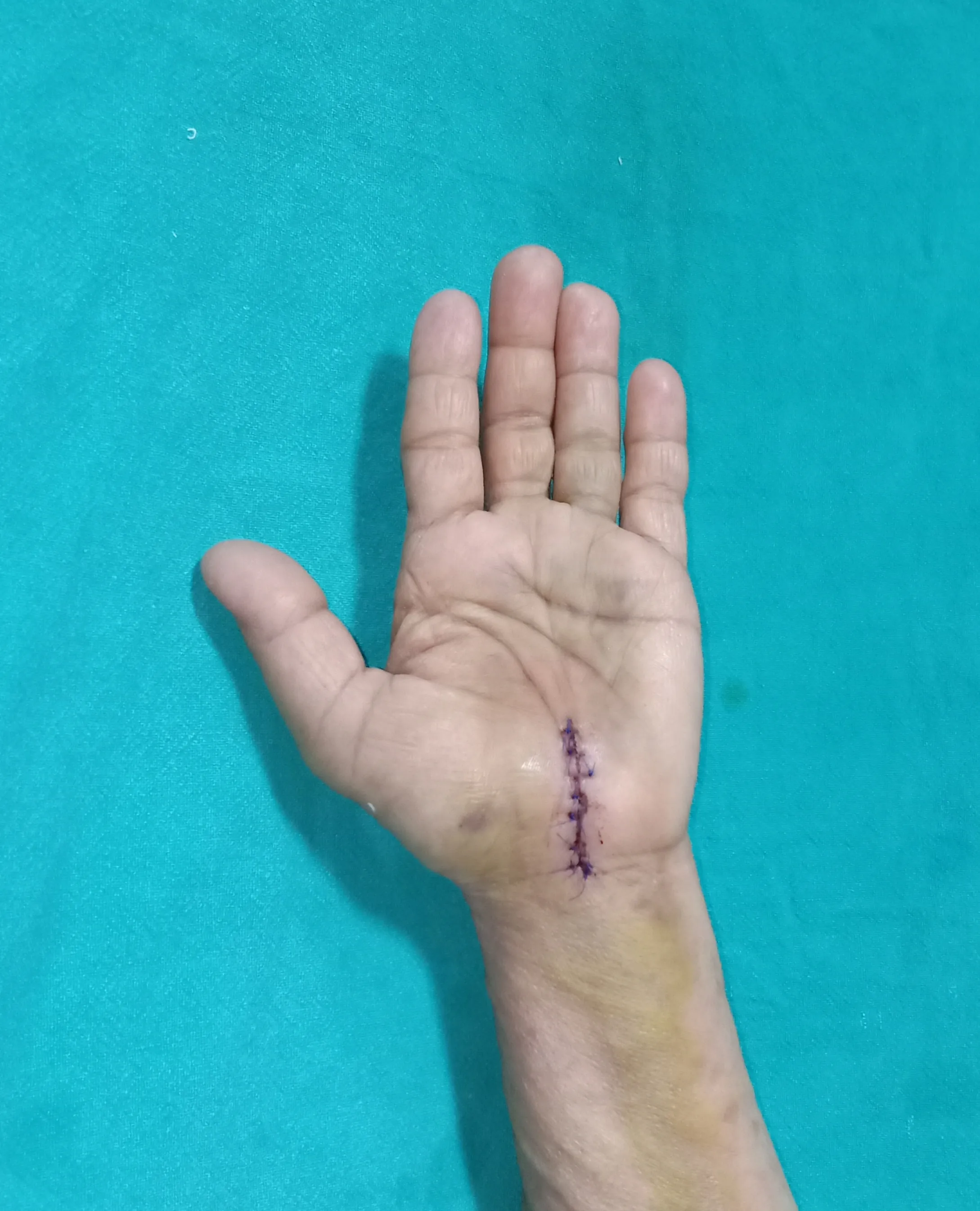

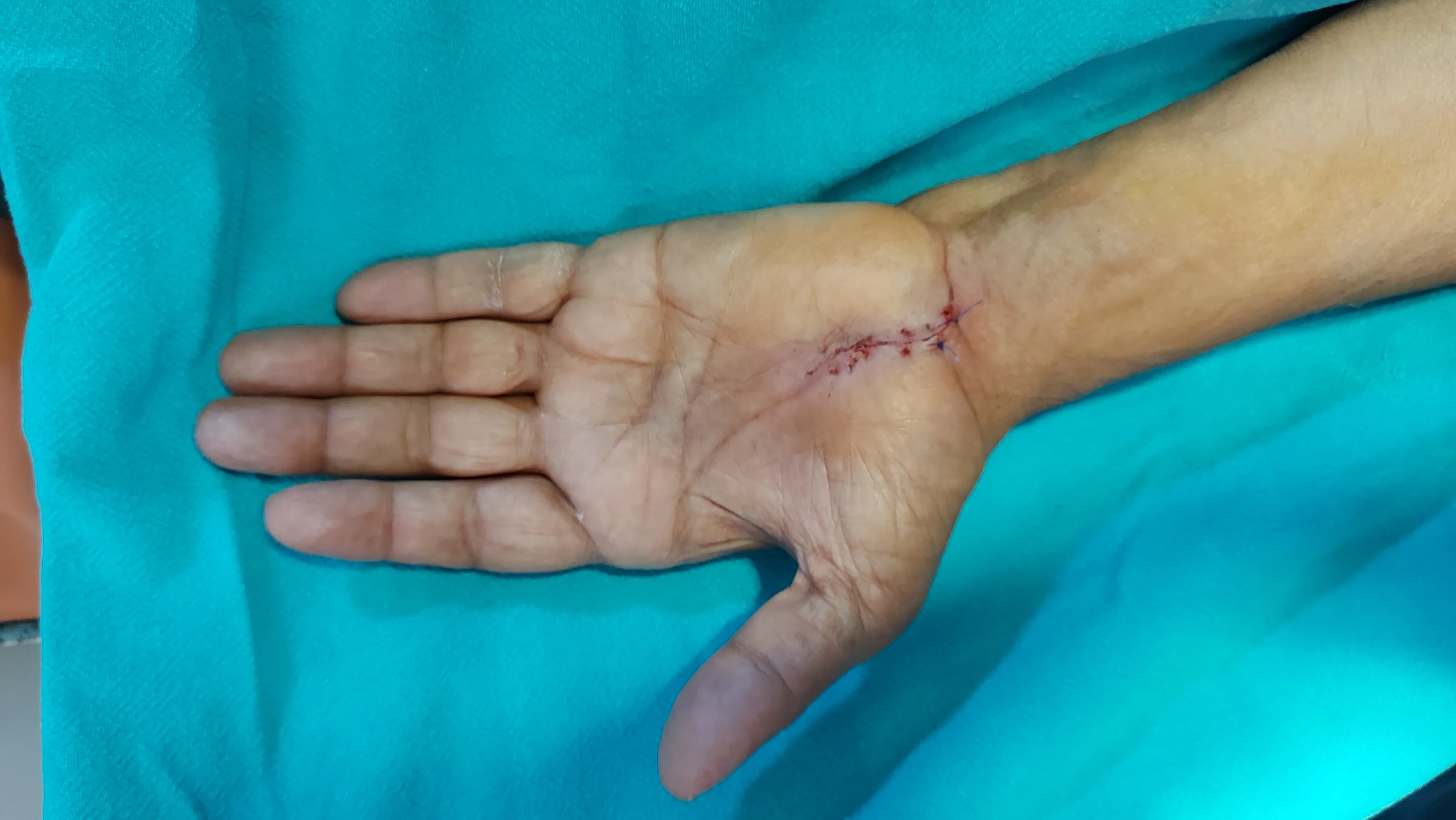
Images shown are intended to provide general treatment insight only. Every patient is unique, and outcomes may vary depending on individual condition and treatment plan.
"Kayakriti Plastic Surgery & Dental Clinic is one of the best clinics — excellent doctors and a very professional team. The clinic is clean, well-maintained, and uses advanced technology. Doctors explain everything clearly and make you feel comfortable throughout the treatment. Highly recommended for both plastic surgery and dental care."
"My big brother had a critical accident in August 2025 — his right foot was injured badly. Thanks to Dr Amit, the plastic surgery was a great success and now he is walking on his feet. Dr Amit is polite, humble, and guided us like family."
"Dr Amit Agarwal is really a very good plastic surgeon — he operated on my leg. The treatment is really very good and the staff behaviour is very nice."
"Dr Amit Agarwal performed surgery for diabetic foot on my father. We were very troubled before going to him; after his treatment the condition is much better. He debrided all the infection and did grafting on the same."
"Dr Amit Agarwal operated on my patient for a congenital defect. A renowned plastic surgeon of Uttar Pradesh with excellent post-operative results. He explains every step of the treatment very nicely and is very determined towards his work."
"Dr Amit is very approachable, so it is easy to talk to him and ask all our queries. Before operating he explains the entire process with all the pros and cons. His staff is well-trained and well-behaved — I had a wonderful experience."
"Dr Amit Agarwal operated on my sister who got burnt two years back, leaving burn scars in her neck area. With the help of tissue expanders he has cured her scars to the utmost. Thank you sir for the treatment."
"Dr Amit Agarwal operated on my child for a congenital defect and has delivered brilliant results. We are completely satisfied with his treatment and recommend him to everyone."
"I consulted Dr Amit Agarwal for my son's gynaecomastia operation. His results have been very good — now my son is much more confident and comfortable with his looks after the operation."
"Dr Amit operated on my patient for a lip augmentation surgery to give her lips a proper cosmetic shape. The post-operative results are very good — she is very satisfied."
"Dr Amit Agarwal operated on my son for gynaecomastia. Due to the puffiness in his chest he felt very embarrassed in public. Thanks to Dr Amit's treatment my son feels much better aesthetically and has gained a lot of confidence about his looks."
"We consulted Dr Amit for cosmetic correction of my daughter's facial profile. He brought her upper jaw forward, surgically improving her appearance. It was a tough operation but the results are phenomenal — we are really satisfied with the look now."
"My son had his fingers joined since birth, causing a lot of functional problems. Dr Amit Agarwal performed syndactyly release on him. Now he is much better and there were no issues regarding post-operative complications."
"I got my rhinoplasty done under Dr Amit. The shape of my nose wasn't nice and my facial profile was getting hampered. Dr Amit elevated my nose to give it proper shape — now it is looking fine and I am very satisfied."
"Dr Amit Agarwal operated on my patient for deformed lips. He gave my patient a very aesthetic appearance and we are highly satisfied by the surgery. The cosmetic correction was successful with no complications."
"Dr Amit Sir is really a very good plastic surgeon — great nature, very cooperative staff, excellent scope for cosmetic treatment. Very happy and satisfied with the treatment. It really changed my life and enhanced my confidence."
"Dr Amit Agarwal performed cosmetic surgery on my nephew, who was facing a lot of issues with confidence due to gynaecomastia. After Dr Amit's treatment he is much better and has a boosted confidence level."
"I met a road accident two months back and my ring finger fractured. My orthopaedic doctor recommended Dr Amit for the joint fracture management. After he operated, my condition is much better."
"Dr Amit Agarwal operated on my patient for vascular malformation. He removed the complete swelling through an operation which went well and the results are good. The staff kept us well informed at every step and the whole process went smoothly."
"My patient wasn't satisfied with the aesthetic appearance of her lips. Dr Amit performed a lip augmentation surgery — it made her lips look more full and richer. She is very satisfied with the results."
"We were very troubled after my son met a road accident in which his jaw got fractured. Dr Amit confirmed the diagnosis quickly and proceeded for the surgery — through plating he joined the bones of the jaw and stabilised it. The condition now is much better."
"My brother is diabetic and hurt his leg; the wound was not healing for a long time. Dr Amit debrided all the infected part and covered it with a flap. The wound is now healed — we are lucky we got the correct treatment on time."
All reviews verified on our Google profile.
Personalised cubital tunnel syndrome planning with our FRCS-certified surgical team in Lucknow.
Read morePersonalised resistant tennis elbow planning with our FRCS-certified surgical team in Lucknow.
Read morePersonalised hand nerve injuries planning with our FRCS-certified surgical team in Lucknow.
Read morePersonalised sciatic nerve injuries planning with our FRCS-certified surgical team in Lucknow.
Read moreOne free video consultation. Honest answers. No pressure.
or call us at +91 96 95 94 0009 +91 96 95 94 0006