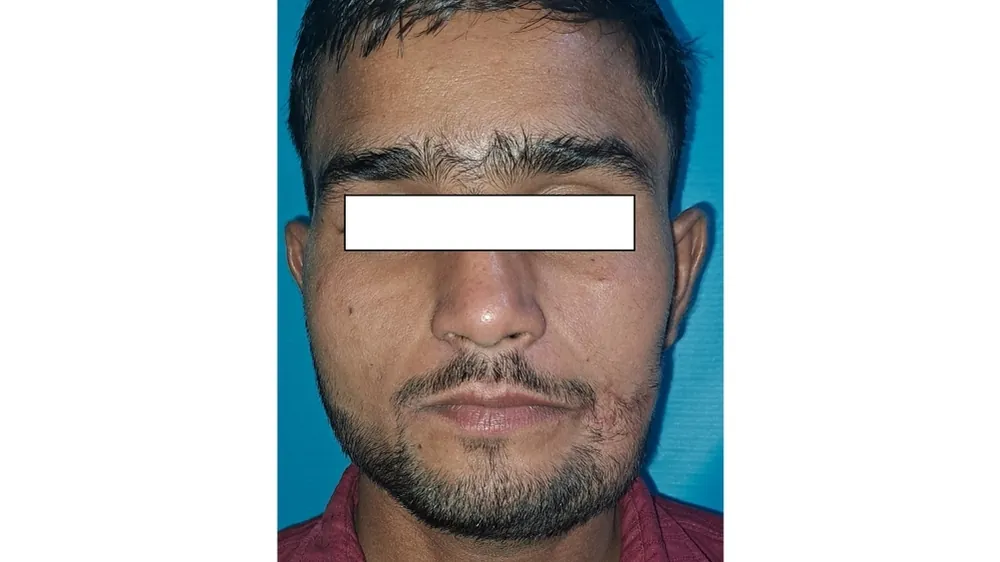
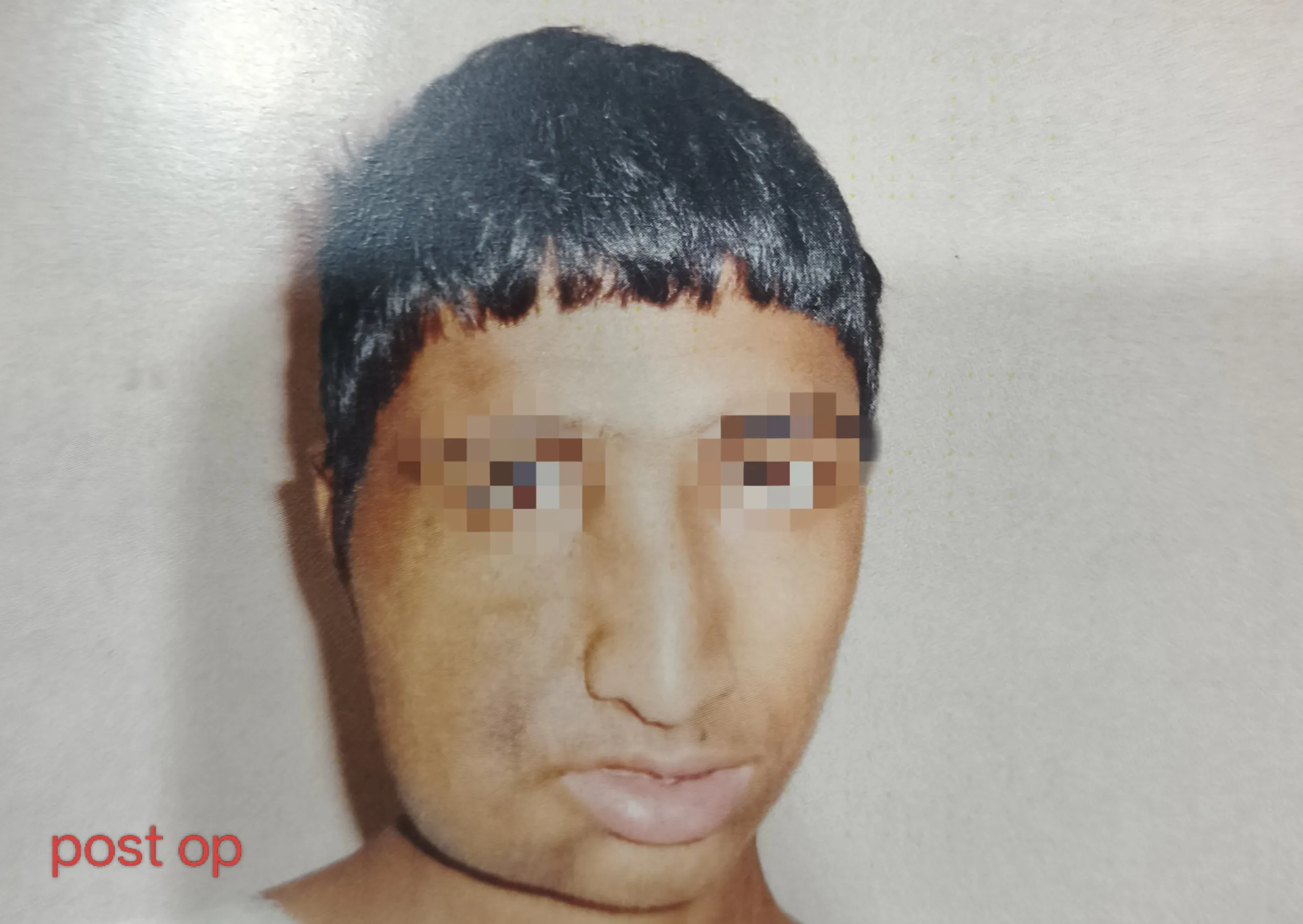
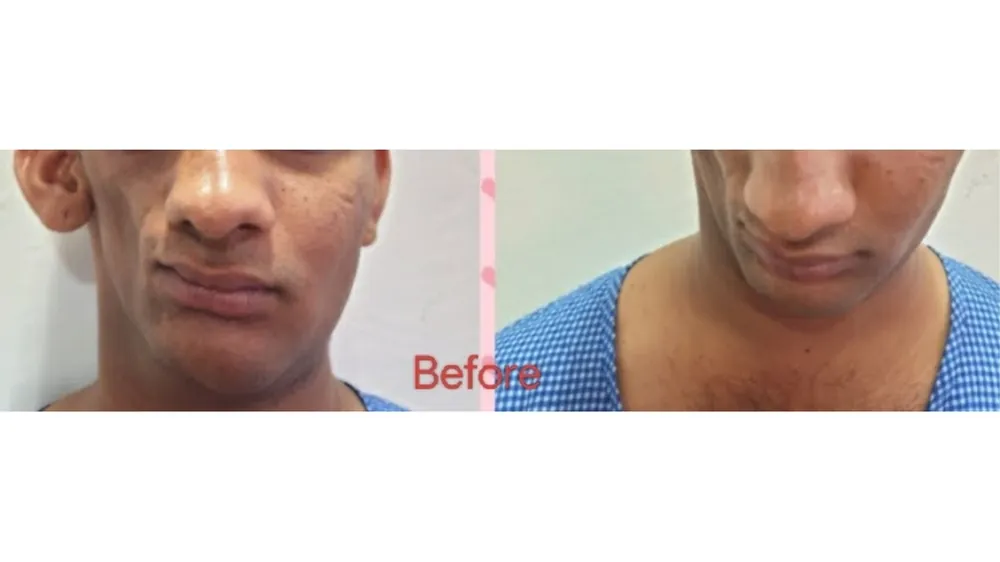
Hemifacial atrophy, also known as Romberg Syndrome, is a rare condition characterized by the progressive shrinking of the skin and soft tissues on one-half of the face. This condition results in a sunken appearance and typically affects only one side of the face, though occasionally, it may also impact the limbs on the same side. Hemifacial atrophy develops slowly and is considered a rare disorder.
About Kayakriti and Your Surgeon
A short walk-through of our Lucknow clinic, plus a brief introduction from Dr. Amit Agarwal.
Hemifacial atrophy, also known as Romberg Syndrome, is a rare condition characterized by the progressive shrinking of the skin and soft tissues on one-half of the face. This condition results in a sunken appearance and typically affects only one side of the face, though occasionally, it may also impact the limbs on the same side. Hemifacial atrophy develops slowly and is considered a rare disorder.
Onset of Romberg Syndrome
Romberg syndrome usually becomes noticeable during the first decade of life or early in the second decade, with most individuals experiencing symptoms before the age of 20. The progression of the disease can continue for many years and then stabilize, with the severity varying among affected individuals.
Causes of Hemifacial Atrophy
The exact cause of Hemifacial Atrophy is unknown, and it appears to occur randomly in individuals. However, several factors have been suggested as possible contributors to the condition, including:
Abnormal development or inflammation in the nervous system.
Viral infections.
Trauma.
Abnormalities in blood vessel formation.
Autoimmune factors.
Symptoms of Hemifacial Atrophy
The symptoms of Hemifacial Atrophy can vary in severity and may include:
Progressive tissue wasting on one side of the face.
A distinct demarcation line resembling a linear scar between normal and affected skin is known as the “coup de Sabre” sign.
Shrinkage and atrophy of tissues beneath the skin, including the fat layer, underlying muscles, and bones.
A skeleton-like appearance on the affected side of the face.
Dark pigmentation of the skin.
Atrophy of half of the upper lip and tongue.
Deviation of the jaws when opening the mouth.
Delayed eruption of teeth, malocclusion, and posterior open bite.
Migraine headaches are accompanied by visual symptoms, light sensitivity, nausea, and vomiting.
Epilepsy attacks and spasms of the jaws.
Drooping of the upper eyelid and difficulty closing the eyes.
Diagnosis of Hemifacial Atrophy
Hemifacial Atrophy is typically diagnosed based on characteristic features and physical examination. The following diagnostic criteria are often considered:
The presence of a white line or furrow on one side of the face is known as the “coup de Sabre” sign.
Facial atrophy on the affected side.
In some cases, an MRI of the brain may be performed if there are fits/epilepsy or other neurological symptoms.
An eye examination should be conducted to rule out any abnormalities.
Skin biopsy may be performed from the area of the white line if present.
Treatment of Hemifacial Atrophy
There is no medical treatment or medication available to halt or reverse the progression of Hemifacial Atrophy. Surgical intervention is the primary option for addressing this condition.
Surgical Options for Hemifacial Atrophy
Three types of surgical procedures can be performed for Hemifacial Atrophy, depending on the extent and severity of the condition:
Fat Grafting:
This technique is suitable for treating mild and smaller asymmetries of the face caused by Hemifacial Atrophy.
a) Fat grafting can be done under local anesthesia or general anesthesia depending upon your choice and comfort level.
b) In the first step, liposuction is done to harvest healthy fat from another area of the body (usually the belly, thighs, or buttocks).
c) This fat is then purified, processed, and prepared for grafting.
d) A fine needle and cannula are used to inject the healthy fat into those areas of the face that have signs of deformity.
e) To account for the body’s natural reabsorption of the injected fat, overcorrection is done (more fat than required is injected).
The face is gently massaged to ensure the fat is evenly distributed, addressing your initial goals for the procedure
Fat grafting done in stages gives good and acceptable results in severe deformities of hemifacial atrophy. But the procedure has to be repeated 2 to 3 times, 3 to 6 months apart to match with the opposite face. Fat grafting is the best solution if cosmesis is the main concern with no extra scar elsewhere on the body.
Microvascular Free Flaps: In cases where the skin is too tight and shrunken for fat grafting to be effective, microvascular free tissue transfer is considered. This procedure involves harvesting a flap of tissue, usually from the back of the thigh, along with its artery and vein. The flap is then transferred to the face, reshaped, and secured in place. Blood vessels are connected to vessels at the recipient site.
Bony Corrections: Correction of bone deformities can be achieved through osteotomies (cutting and repositioning of bones). For instance, if the orbit is distorted, vertical repositioning of the orbit or placement of a bone graft on the orbital floor may be performed.
Preferred Technique by Dr. Amit Agarwal
Dr. Amit Agarwal typically prefers fat grafting as the primary technique for correcting Hemifacial Atrophy. This method is favored for its cosmetically pleasing results and avoids the scarring associated with flap surgery. However, flap microsurgical reconstruction is reserved for cases of severe deformities where patients are not suitable candidates for multiple staged fat grafting or have experienced failure with fat grafting.
Recovery After Fat Grafting Surgery
After fat grafting surgery for Hemifacial Atrophy, patients can expect:
Immediate post-operative swelling, which can last for 3 to 6 days.
Some discomfort.
Head elevation for 2 to 3 weeks to reduce swelling.
Walking on the same day as surgery.
Discharge on the same day or the next day.
A few days off from daily routines for rest.
Post-operative care includes avoiding physical and emotional strain, maintaining head elevation, and refraining from heavy physical activity.
Use of ice fomentation if swelling persists.
The gradual return of sensation as swelling subsides.
Risks and Complications
Potential risks and complications associated with fat grafting for Hemifacial Atrophy may include:
Persistent swelling and bruising.
Infection or delayed wound healing, especially in individuals with certain medical conditions.
Skin redness and tenderness.
Irregular contours or lumps.
Asymmetry due to variable fat absorption.
Temporary numbness or altered sensation.
Consultation with Dr. Amit Agarwal
For individuals with Hemifacial Atrophy seeking treatment, consultation with Dr. Amit Agarwal is essential. The choice of treatment technique and approach will be determined based on the specific characteristics and severity of the condition, ensuring the best possible outcome for the patient.
See the difference
Before & After — Hemifacial Atrophy
Drag the handle to compare. All photos are real patients shared with consent.
Before
After
Before
After
Before
After
Images shown are intended to provide general treatment insight only.
Every patient is unique, and outcomes may vary depending on individual
condition and treatment plan.
Common questions
Frequently asked questions
What is Hemifacial Atrophy, also known as Romberg Syndrome, and what are the common causes and risk factors associated with its development?
Hemifacial Atrophy is a rare condition characterized by the gradual wasting away of facial tissues on one side of the face. The exact cause is often unknown, but it may be related to autoimmune factors or trauma.
What are the key signs and symptoms of Hemifacial Atrophy, and how does it typically manifest in affected individuals?
Hemifacial Atrophy results in facial asymmetry, with one side of the face appearing smaller or sunken compared to the other side. Other symptoms may include changes in skin pigmentation and the loss of underlying fat and muscle tissue.
How is Hemifacial Atrophy diagnosed, and what diagnostic methods are used to confirm the presence and severity of the condition in affected individuals?
Diagnosis involves a clinical examination and assessment of facial changes. Imaging studies like CT scans or MRI may be used to evaluate the extent of tissue loss.
What are the available treatment options for Hemifacial Atrophy, and how do they differ based on the stage and severity of the condition?
Treatment options may include cosmetic procedures such as dermal fillers or fat grafting to restore facial volume, and in some cases, surgical interventions to correct asymmetry.
How does Kayakriti Clinic specialize in managing Hemifacial Atrophy (Romberg Syndrome), and what sets their approach apart in providing comprehensive care for patients with this condition?
Kayakriti Clinic specializes in Hemifacial Atrophy management with a focus on restoring facial symmetry and aesthetics. Their approach includes a team of experts experienced in addressing this rare condition.
What are the advantages of choosing Kayakriti Clinic for the treatment of Hemifacial Atrophy, and how do they ensure comprehensive care for patients with this condition?
Kayakriti Clinic offers a patient-centric approach to Hemifacial Atrophy treatment, providing personalized treatment plans, cosmetic restoration, and rehabilitation to optimize facial appearance.
Real stories
What our patients say about Kayakriti
★★★★★
"Kayakriti Plastic Surgery & Dental Clinic is one of the best clinics — excellent doctors and a very professional team. The clinic is clean, well-maintained, and uses advanced technology. Doctors explain everything clearly and make you feel comfortable throughout the treatment. Highly recommended for both plastic surgery and dental care."
★★★★★
"My big brother had a critical accident in August 2025 — his right foot was injured badly. Thanks to Dr Amit, the plastic surgery was a great success and now he is walking on his feet. Dr Amit is polite, humble, and guided us like family."
★★★★★
"Dr Amit Agarwal is really a very good plastic surgeon — he operated on my leg. The treatment is really very good and the staff behaviour is very nice."
★★★★★
"Dr Amit Agarwal performed surgery for diabetic foot on my father. We were very troubled before going to him; after his treatment the condition is much better. He debrided all the infection and did grafting on the same."
★★★★★
"Dr Amit Agarwal operated on my patient for a congenital defect. A renowned plastic surgeon of Uttar Pradesh with excellent post-operative results. He explains every step of the treatment very nicely and is very determined towards his work."
★★★★★
"Dr Amit is very approachable, so it is easy to talk to him and ask all our queries. Before operating he explains the entire process with all the pros and cons. His staff is well-trained and well-behaved — I had a wonderful experience."
★★★★★
"Dr Amit Agarwal operated on my sister who got burnt two years back, leaving burn scars in her neck area. With the help of tissue expanders he has cured her scars to the utmost. Thank you sir for the treatment."
★★★★★
"Dr Amit Agarwal operated on my child for a congenital defect and has delivered brilliant results. We are completely satisfied with his treatment and recommend him to everyone."
★★★★★
"I consulted Dr Amit Agarwal for my son's gynaecomastia operation. His results have been very good — now my son is much more confident and comfortable with his looks after the operation."
★★★★★
"Dr Amit operated on my patient for a lip augmentation surgery to give her lips a proper cosmetic shape. The post-operative results are very good — she is very satisfied."
★★★★★
"Dr Amit Agarwal operated on my son for gynaecomastia. Due to the puffiness in his chest he felt very embarrassed in public. Thanks to Dr Amit's treatment my son feels much better aesthetically and has gained a lot of confidence about his looks."
★★★★★
"We consulted Dr Amit for cosmetic correction of my daughter's facial profile. He brought her upper jaw forward, surgically improving her appearance. It was a tough operation but the results are phenomenal — we are really satisfied with the look now."
★★★★★
"My son had his fingers joined since birth, causing a lot of functional problems. Dr Amit Agarwal performed syndactyly release on him. Now he is much better and there were no issues regarding post-operative complications."
★★★★★
"I got my rhinoplasty done under Dr Amit. The shape of my nose wasn't nice and my facial profile was getting hampered. Dr Amit elevated my nose to give it proper shape — now it is looking fine and I am very satisfied."
★★★★★
"Dr Amit Agarwal operated on my patient for deformed lips. He gave my patient a very aesthetic appearance and we are highly satisfied by the surgery. The cosmetic correction was successful with no complications."
★★★★★
"Dr Amit Sir is really a very good plastic surgeon — great nature, very cooperative staff, excellent scope for cosmetic treatment. Very happy and satisfied with the treatment. It really changed my life and enhanced my confidence."
★★★★★
"Dr Amit Agarwal performed cosmetic surgery on my nephew, who was facing a lot of issues with confidence due to gynaecomastia. After Dr Amit's treatment he is much better and has a boosted confidence level."
★★★★★
"I met a road accident two months back and my ring finger fractured. My orthopaedic doctor recommended Dr Amit for the joint fracture management. After he operated, my condition is much better."
★★★★★
"Dr Amit Agarwal operated on my patient for vascular malformation. He removed the complete swelling through an operation which went well and the results are good. The staff kept us well informed at every step and the whole process went smoothly."
★★★★★
"My patient wasn't satisfied with the aesthetic appearance of her lips. Dr Amit performed a lip augmentation surgery — it made her lips look more full and richer. She is very satisfied with the results."
★★★★★
"We were very troubled after my son met a road accident in which his jaw got fractured. Dr Amit confirmed the diagnosis quickly and proceeded for the surgery — through plating he joined the bones of the jaw and stabilised it. The condition now is much better."
★★★★★
"My brother is diabetic and hurt his leg; the wound was not healing for a long time. Dr Amit debrided all the infected part and covered it with a flap. The wound is now healed — we are lucky we got the correct treatment on time."